
I am often amazed how people are surprised that Noel and I have an RV. I am not sure if it is because of my pre-retirement job – but often there is genuine surprise that we would own a recreational vehicle that we actively use on a regular basis.
The second major surprise people get is when I tell them our current RV is our 6th – and that we have camped and RV’ed for the past 25+ years.
Each RV we have owned has fit what we needed – and could afford – at that time in our lives. We started our RV experience with young children – and have continued to evolve our camping style as empty nesters.
Like many first-time RVers – our first camper was a Coleman Pop-up Tent Camper (RV#1) that we pulled behind a Dodge Grand Caravan. We drove from Hancock, Michigan to Escanaba, Michigan to pick it up in 2019 and I can remember our excitement on picking up our first RV. We had about 6 inches of ground clearance – and often scraped the bottom of the hitch receiver when going out of parking lots. Little did I realize at the time this was the beginning of a 30+ year hobby. We took the pop-up camper all over the Upper Peninsula of Michigan often staying in state parks with electrical hook-ups. We had a propane heater, indoor lighting, a sink, dinette table and two beds. What more could you possibly ask for in an RV? Our most significant trip with this camper was a 2-week journey from Hancock, Michigan out to Yellowstone National Park in Wyoming and back again.
Our next RV was a Jayco Kiwi 17A (RV#2) hybrid camper that had rigid box in the middle with two ends that folded down into the beds. We had a toilet/shower, microwave, dining table, heat and most importantly air conditioning. As we were living in Mississippi at the time – the AC was especially important in order to sleep comfortably in the hot and humid south. The longest trips we took were from Starkville, Mississippi to Ft. Wilderness Campground at Disney World in Florida and to the Great Smokey Mountains area of Tennessee.
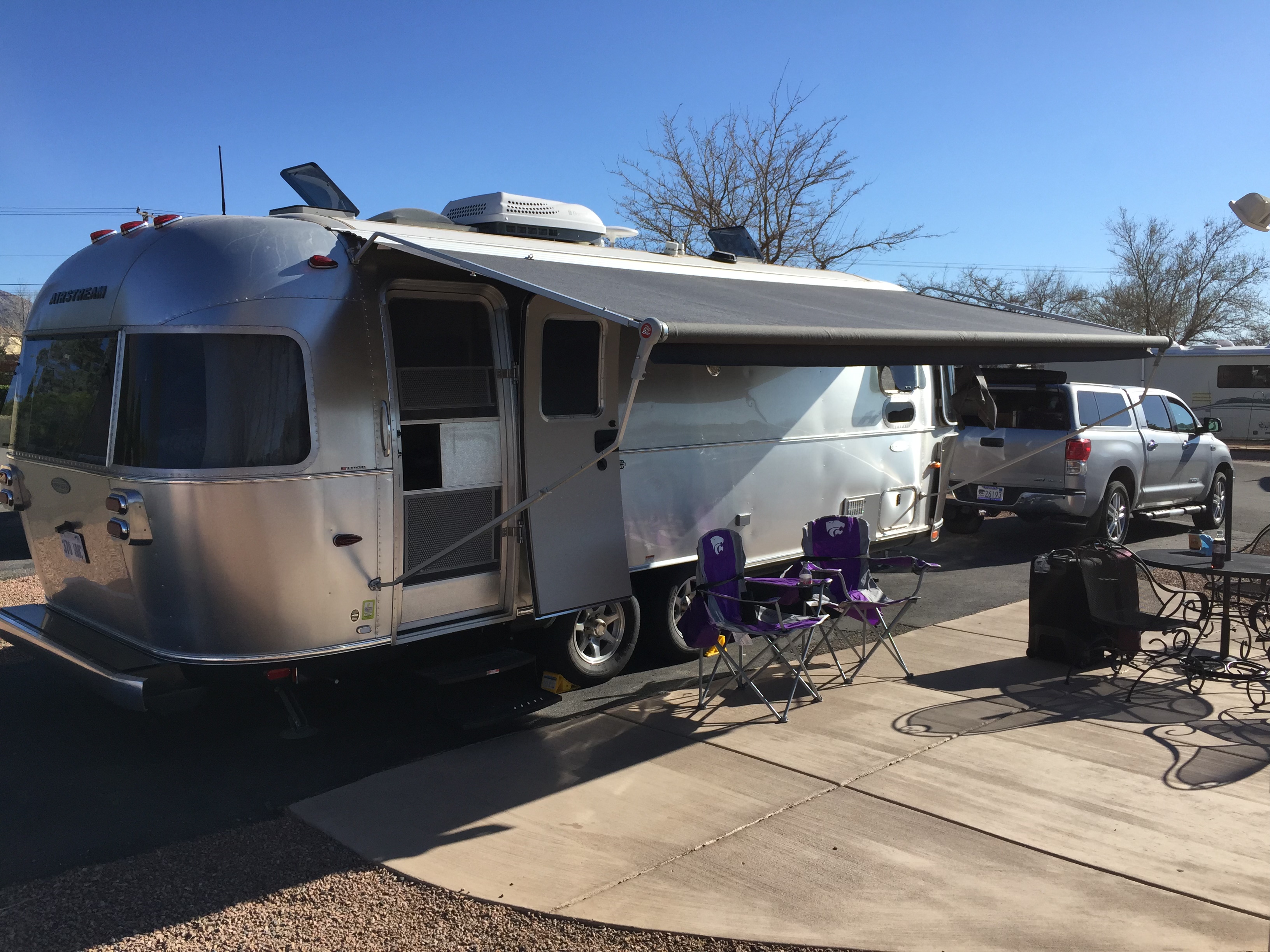
I had always liked the look of Airstream trailers – so in 2014 we took the plunge and purchased a 25 foot Flying Cloud (RV#3) trailer. It required 30 Amp service – and had a real shower and bathroom, a nice kitchen with a stove top and microwave – and lots of storage compartments. We were able to keep a set of clothes in it for the entire camping season as part of our plan on making sure we could get up and go quickly. The Flying Cloud had an RV queen bed in the back of the camper – and happened to be situated so that Noel would occasionally hit her head getting out of the camper bed. We added a bike rack on the back of the Flying Cloud and started bringing bicycles with us on our longer trips. Our longest trip in this Airstream was from Manhattan, Kansas to Grand Canyon National Park in Arizona and to Pullman, Washington on a job move.
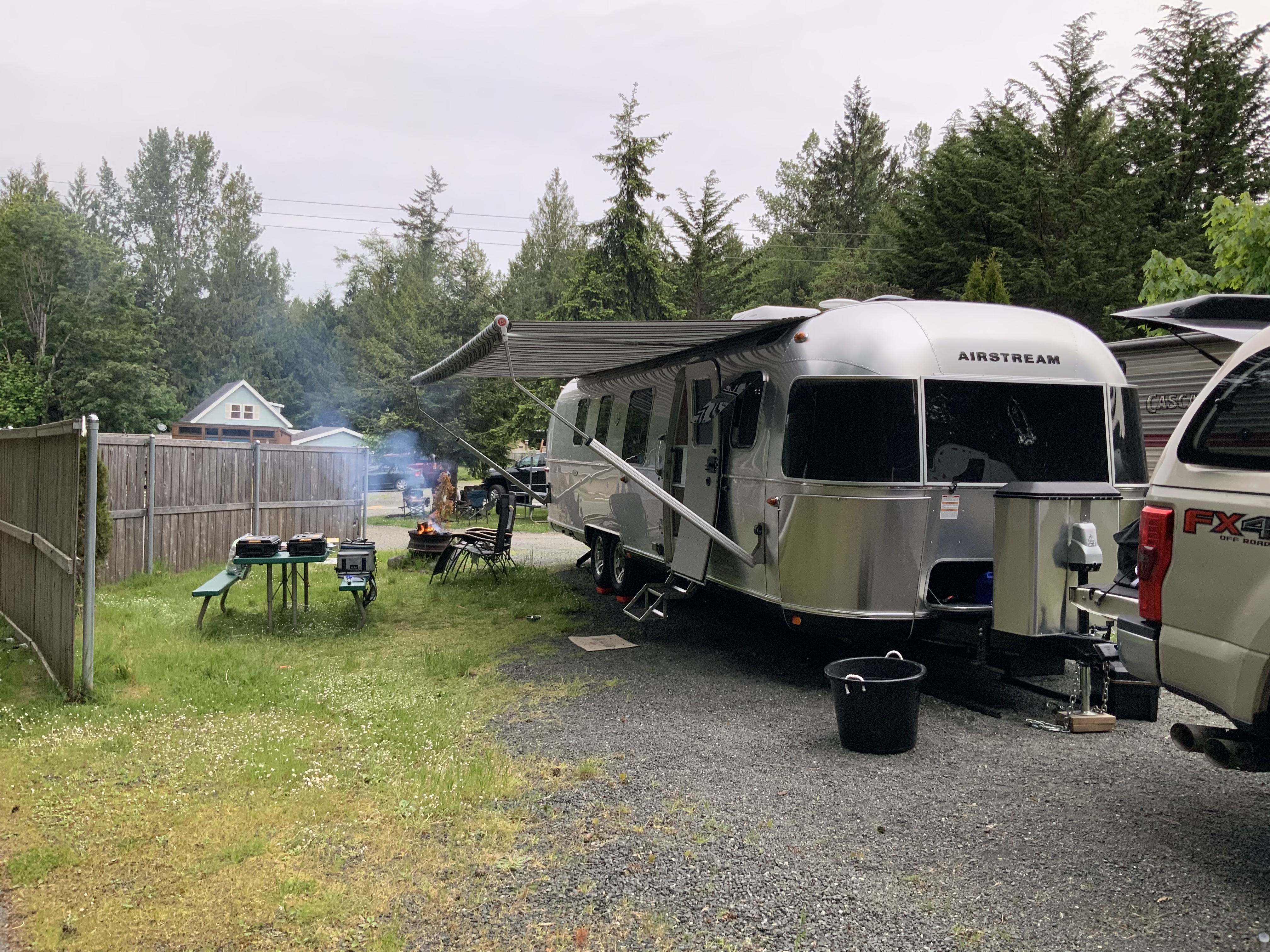
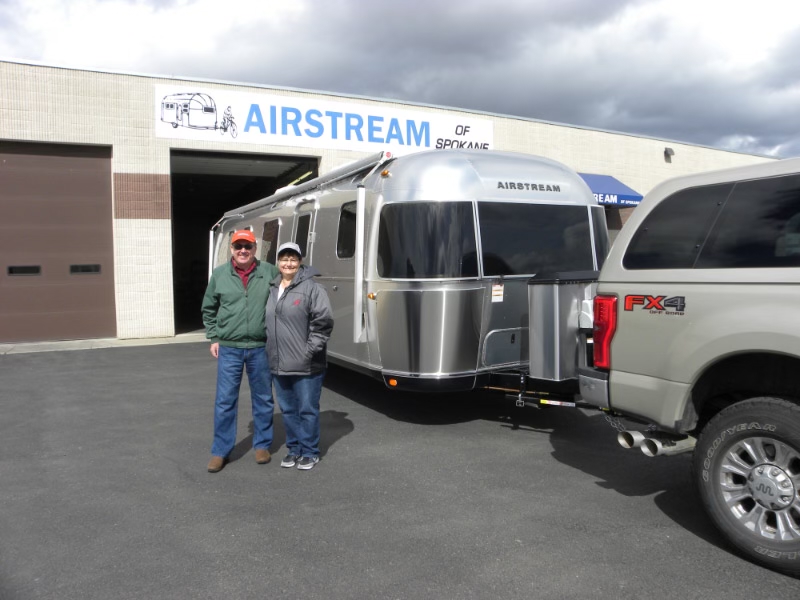
After 4 years in the Flying Cloud, we decided to get something bigger with a bit more interior space and suitable for longer trips. After spending some time watching videos, reading on-line reviews, and talking with the owners of Spokane Airstream, we custom ordered a 33 foot Airstream Classic (RV#4) trailer. We got to choose the color of the woodwork to suite our tastes and were able to option it with a propane oven in addition to a cooktop and microwave oven. The bed was bigger, we had chairs with electric footrests, a projection TV, two air conditioners, a full size closet and a large shower and bathroom. It also had 50 Amp service – which meant we had to stay in RV parks to get full hook-ups. We drove this trailer on longer trips from Pullman, Washington to Yellowstone National Park and to Albuquerque, New Mexico on a post-COVID 2-week trip – as well as a large number of shorter excursions in the Pacific Northwest.
After having the larger 33 foot trailer, we decided to make a significant shift from a trailer to a drivable RV. Our next camper was a 25 foot Airstream Atlas (RV#5) on a Mercedes Sprinter Chassis with a King-size Murphy bed. We really liked how everything was integrated into one package – and there was no more need to heft a 50 lb hitch onto the pick-up truck to tow our camper. It drove really well and only required 30 Amp service – which opened up camping virtually anywhere. On the downside we had a lot less storage so we had to really work on only taking what we needed and could no longer take a lot of equipment along “in case we needed it”. We camped in the Atlas for nearly 6 camping seasons – including a 3-week trip from Richland, Washington to Traverse City, Michigan and 2 week trips to Rapid City, South Dakota and to the Olympic Peninsula. As our trips got longer – we discussed getting a bigger drivable RV to get a more space.
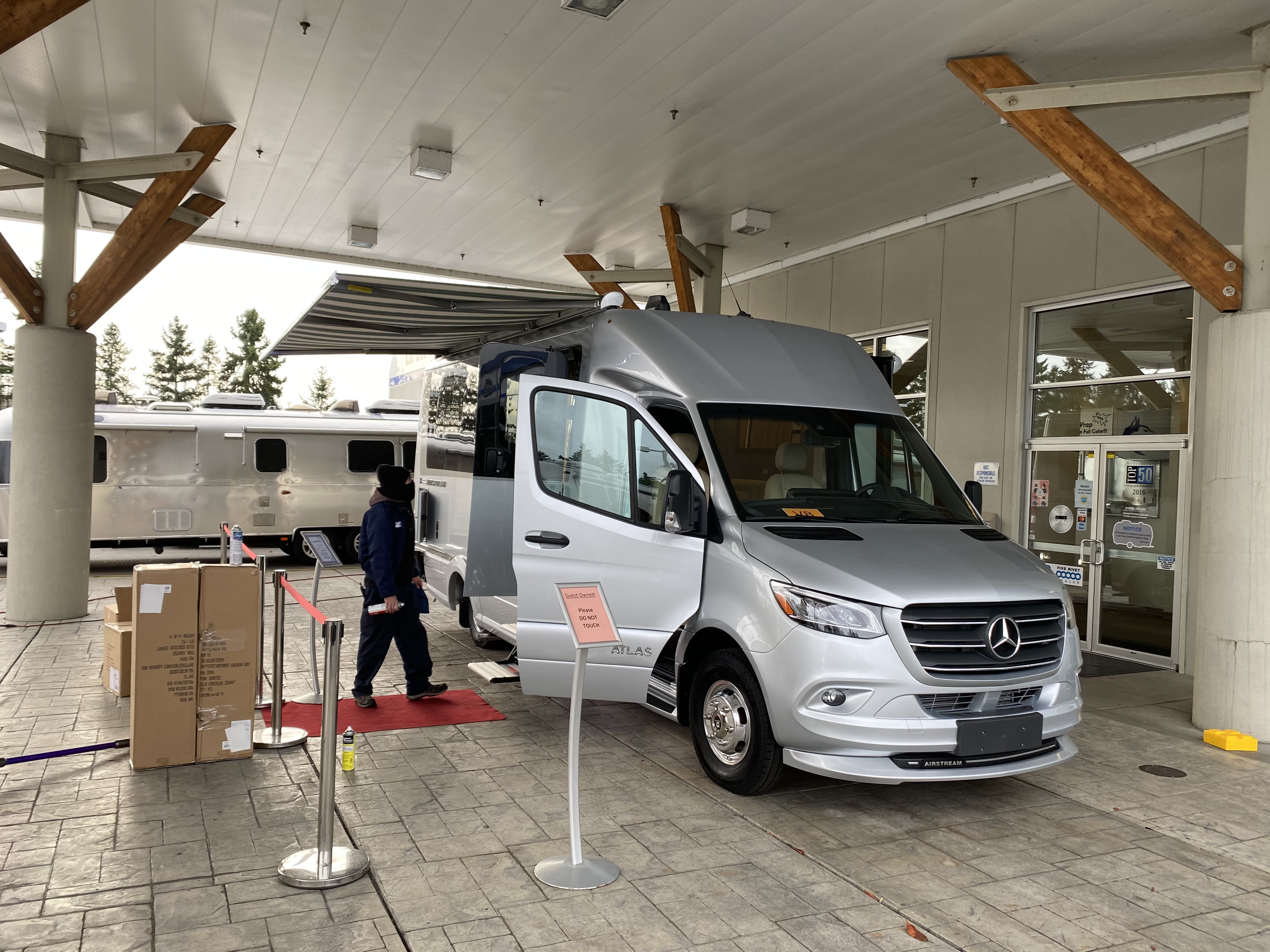
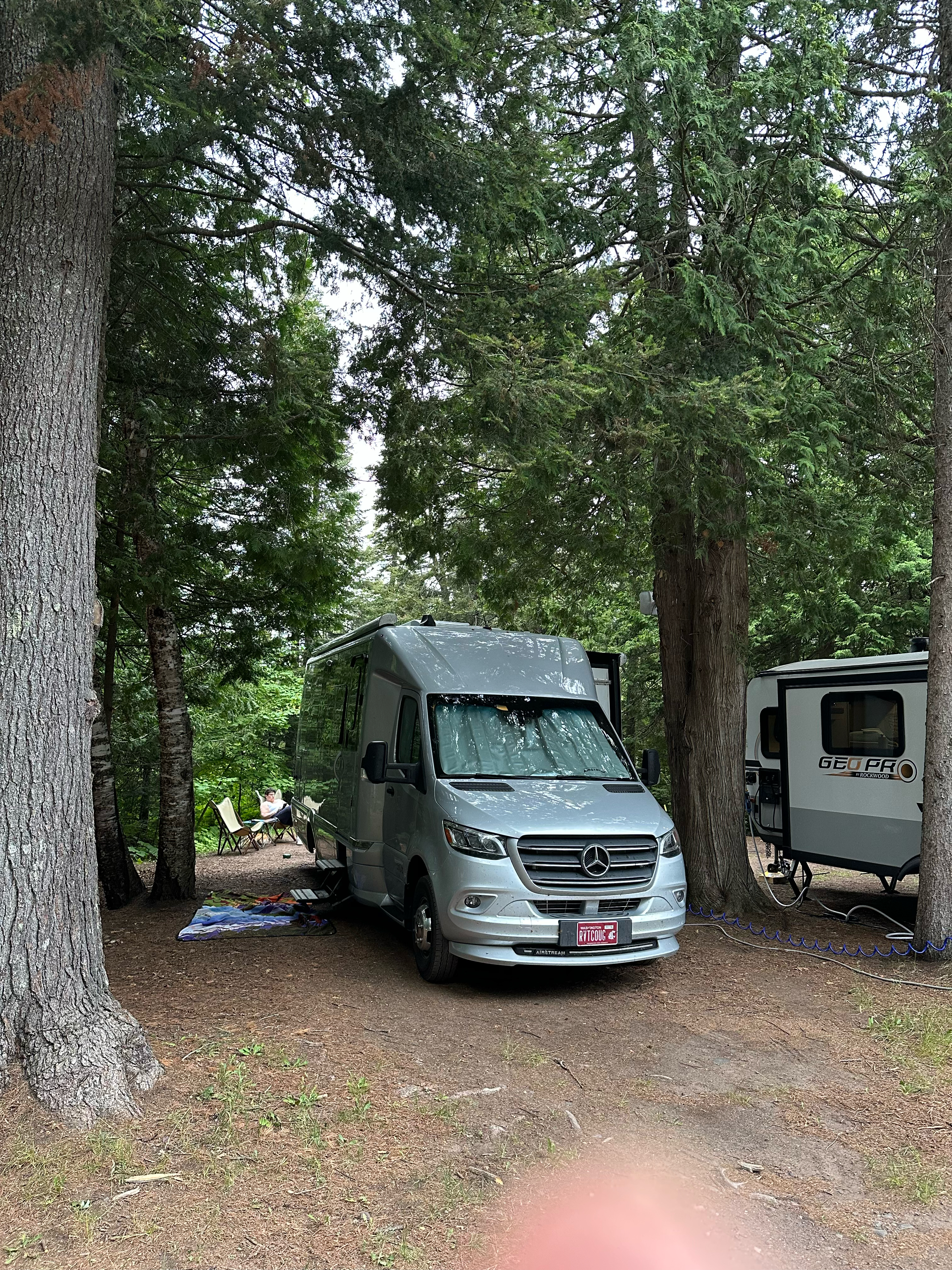
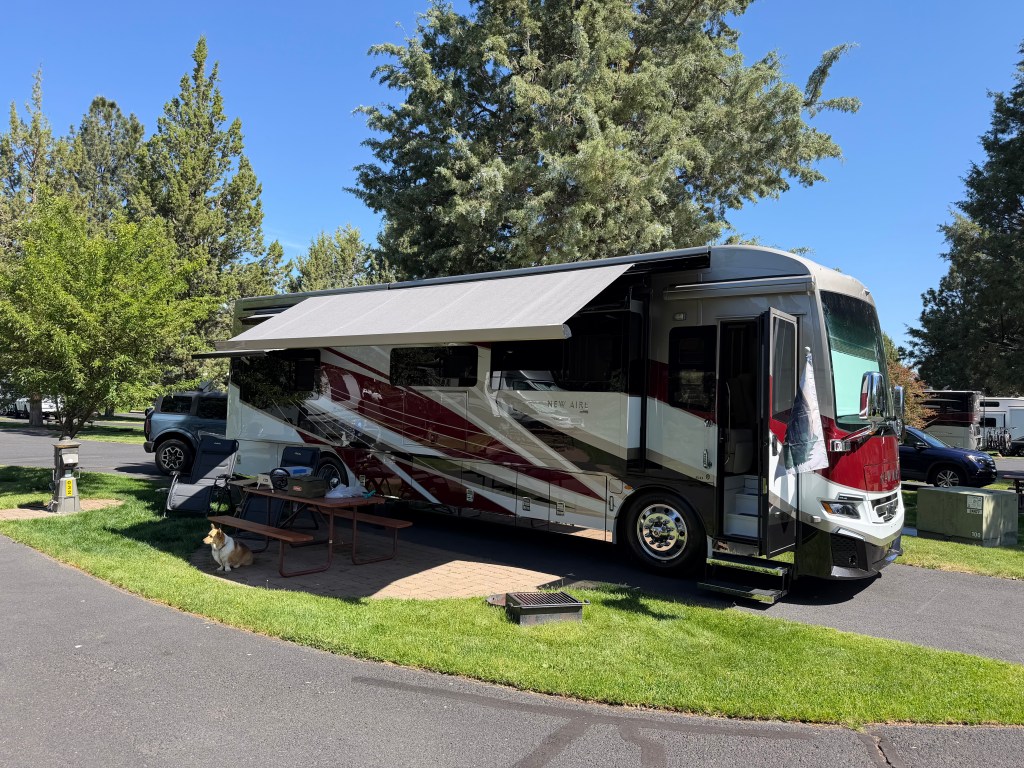
Our most recent camper purchase has been our most ambitious yet. We liked having a motorhome instead of towing a larger trailer – so we upgraded from a Class B+ (Airstream Atlas) to a Class A diesel pusher. After a lot of research and conversations we elected to purchase a Newmar New Aire (RV#6) 35 foot motorhome. This had similar storage and living space that we liked on our 33 foot Classic but with the integration of battery and electrical set-up we liked on the Atlas.
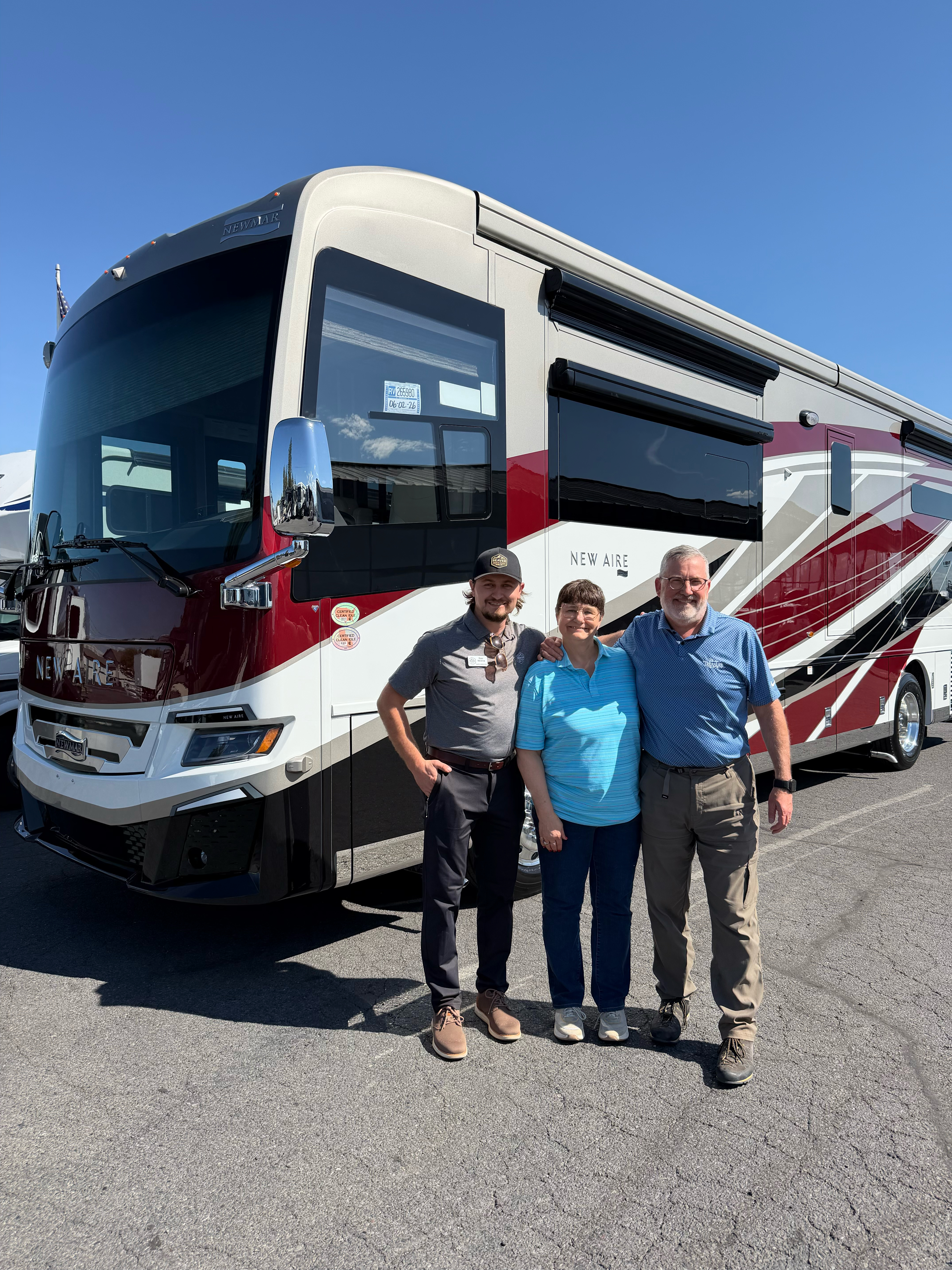
While the actual RV itself is a part of being outdoors – it is more important on how you use and where you choose to go! Noel and I look forward to taking the New Aire on new adventures over the coming years!


