
What is it that Chemical Engineers do?
I like to believe that we take materials that are in abundance and design economically viable processes to make useful products from them.
This blog entry is not a treatise on chemical engineering … so read on fellow travelers!
This conceptually can apply to a number of things including materials such as barley, yeast, water and hops – which in turn happen to be the main ingredients in beer making – clearly a useful product.
I took the opportunity to go on a tour at Tennent Caledonian brewing company who makes Tennent’s Lager in Glasgow. Tennent’s is the market leader for lager beer in Scotland.
Beer manufacturing has been around for centuries – and Robert Tennent was credited with founding the brewery in 1556.
As the locals might say – Tennett’s has been around for a “wee bit of time”.
I have been on a number of brewery and plant tours over my career and in the U.S. it is hard to really go behind the scenes at most large chemical manufacturing places because of liability issues.
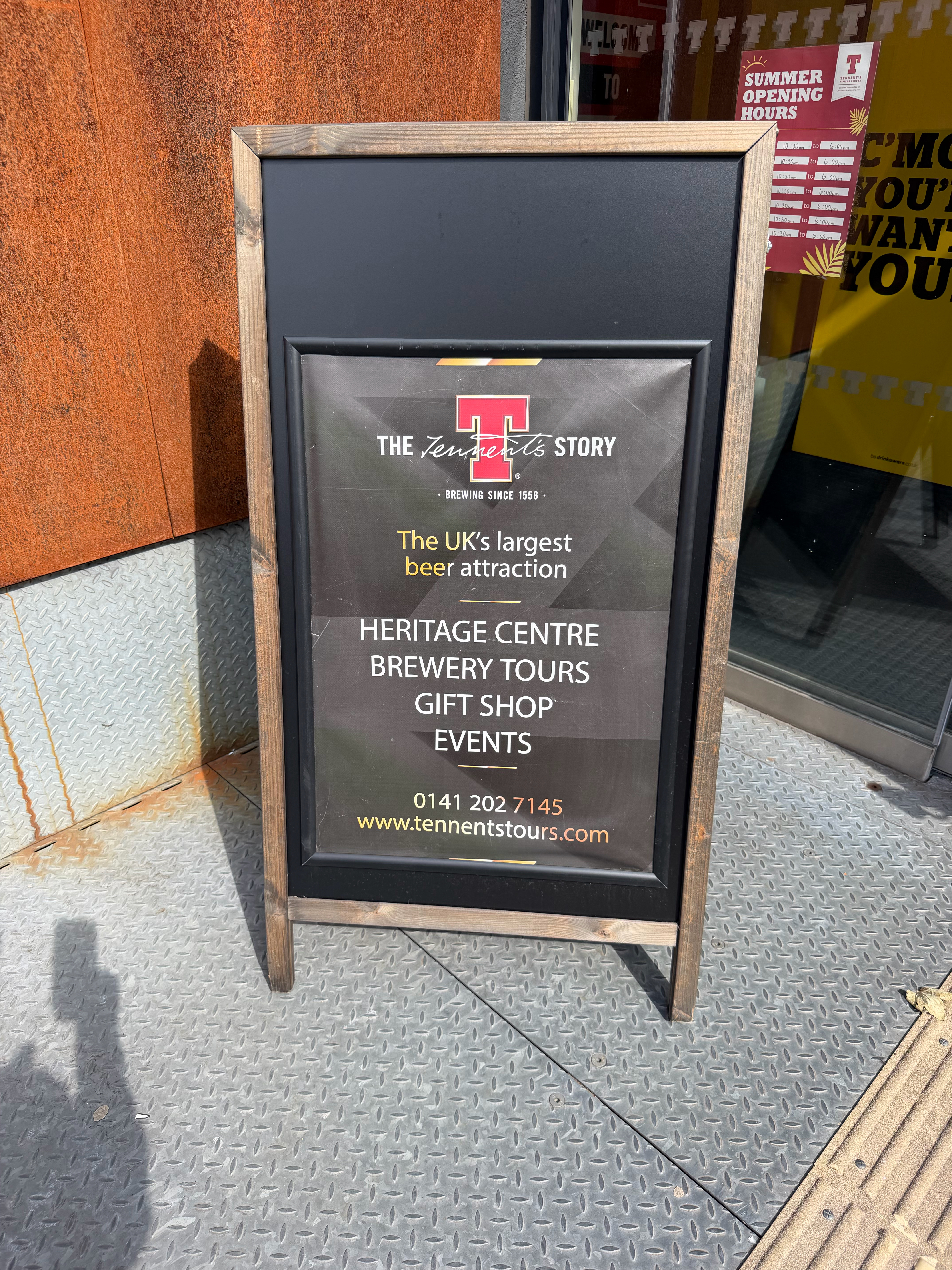
The tour of Tennent’s was old-school where we got to tour the actual plant and learn about the history of the brewery and the brewing process. Many modern tours in the U.S. are behind glass panels and you can’t really get up close to the actual equipment being used. I enjoyed the tour – but watching people looking at their cell phones (including our tour guide) going up and down metal stairs in a manufacturing facility did cause me a bit of heartburn on safety issues.
Our tour started in a large room where we watched a video detailing the history of Tennent’s dating back to 1556 – which also corresponded generally to the founding and growth of Glasgow from a monastery to a village and to a city.
The original beer manufactured was not carbonated and was what we could call a stout. Tennent’s did not start making a carbonated lager type beer until 1885 which was originally thought to have been a huge mistake. As time moved on it became a huge success for Tennent’s and is sold worldwide.
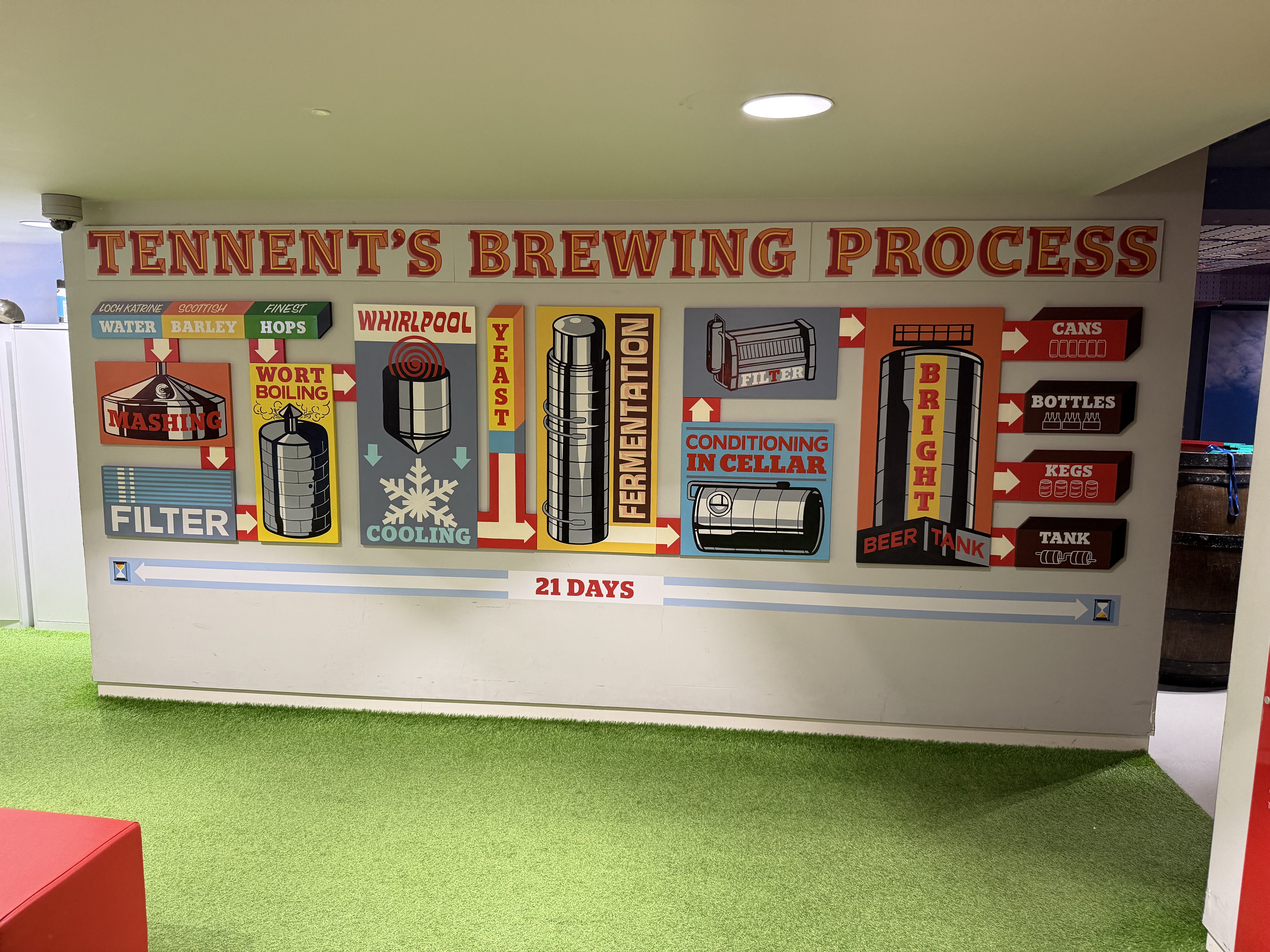
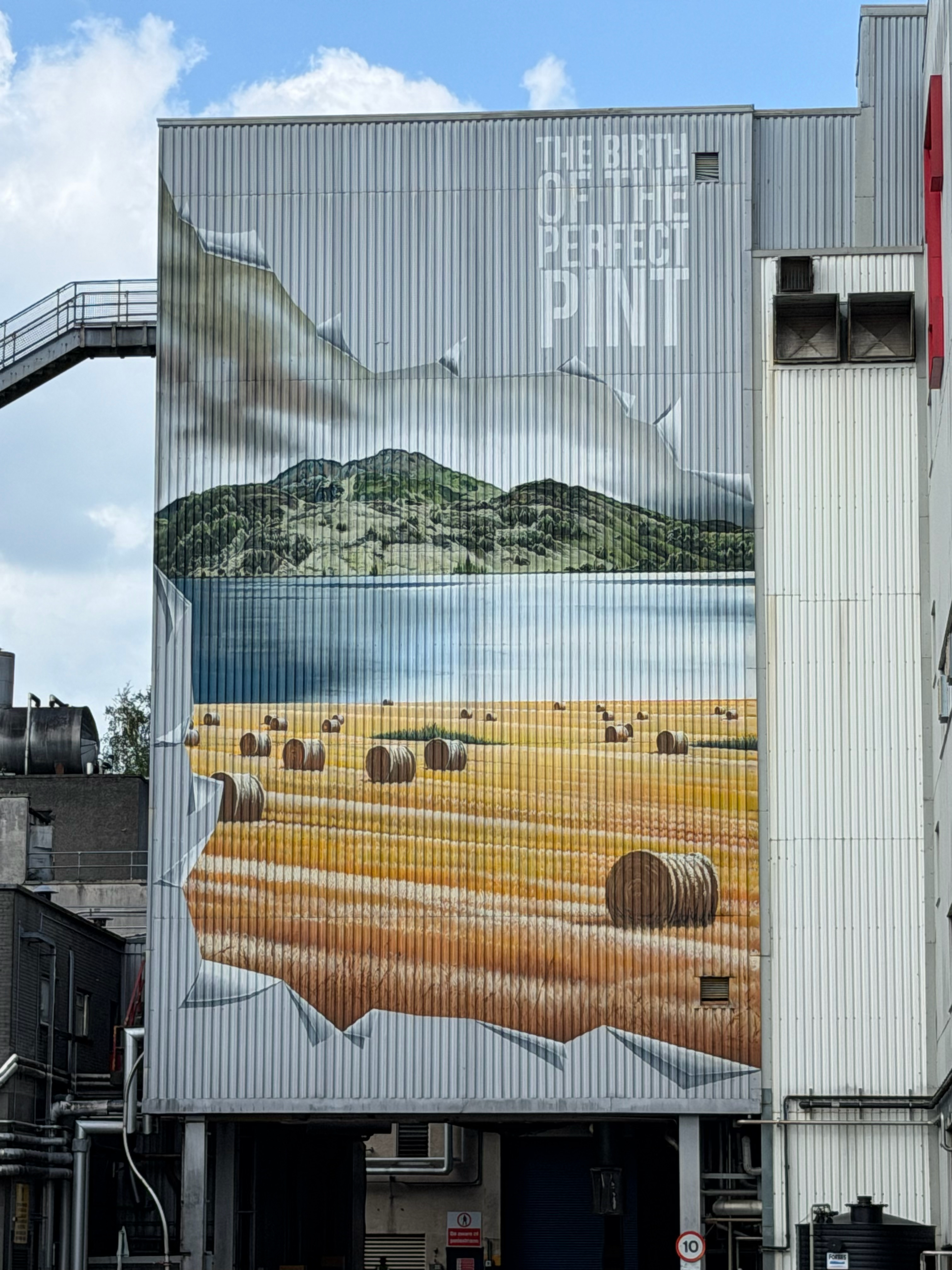
As we gathered for our tour, there was a wall size pictorial flow diagram of the brewing process which showed the key unit operations in starting with raw materials and producing beer as a final product. I thought our tour guide missed the opportunity to talk us through this graphic until I realized most of the tour members were looking forward to a pint of Tennent’s lager afterwards and may not have appreciated the finer points of the brewing process.
Before our tour started we donned safety vests, covered our hair, took off all jewelry and had to pledge that we would not take pictures of any proprietary equipment inside of the facilities.
Pretty normal for a chemical plant tour.
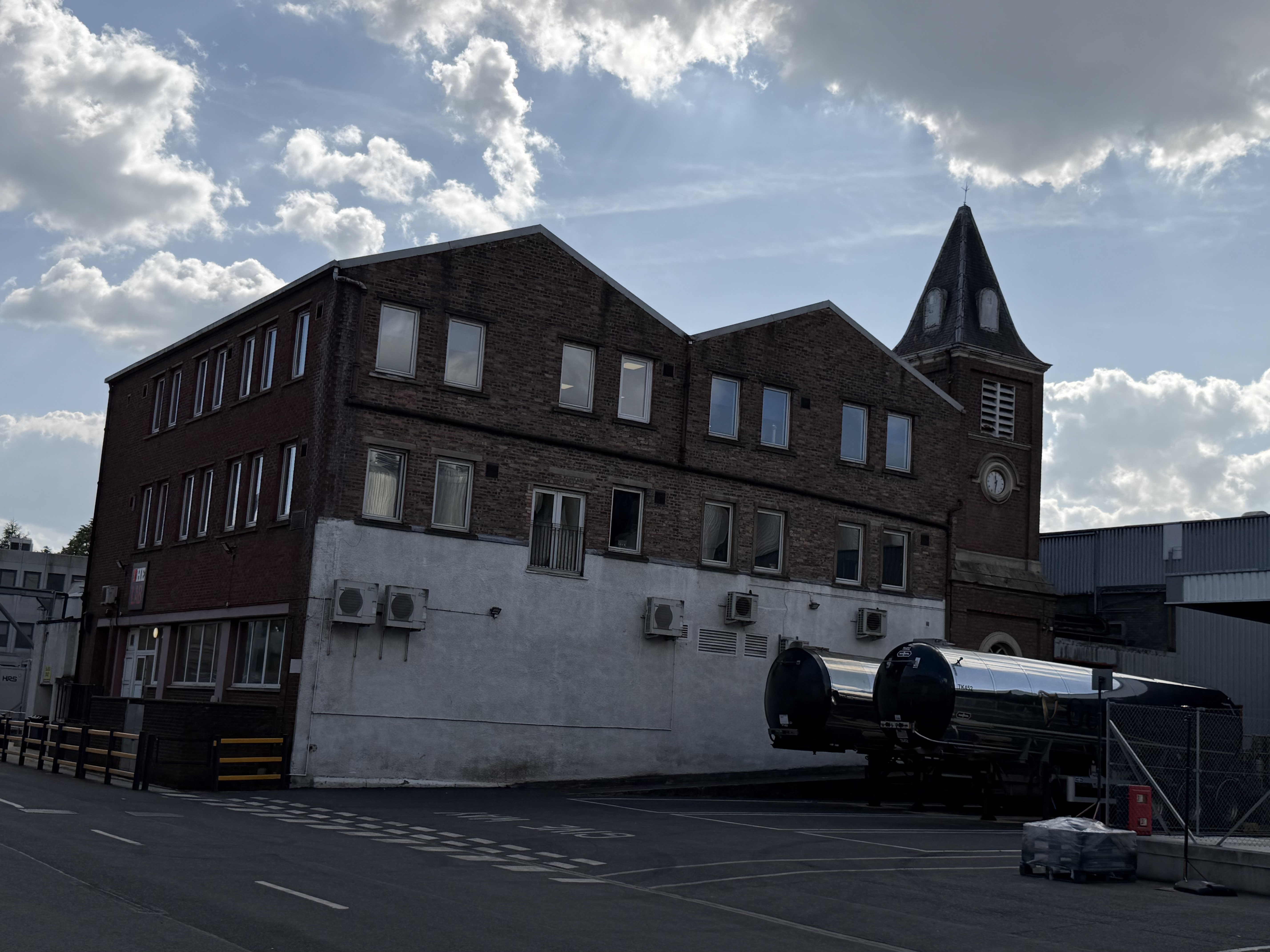
We had a chance to walk through parts of the factory and to see some of the equipment and learn a bit more about the processes used today in modern beer manufacturing. The tour was interspersed with videos which showed equipment being installed and in operation.
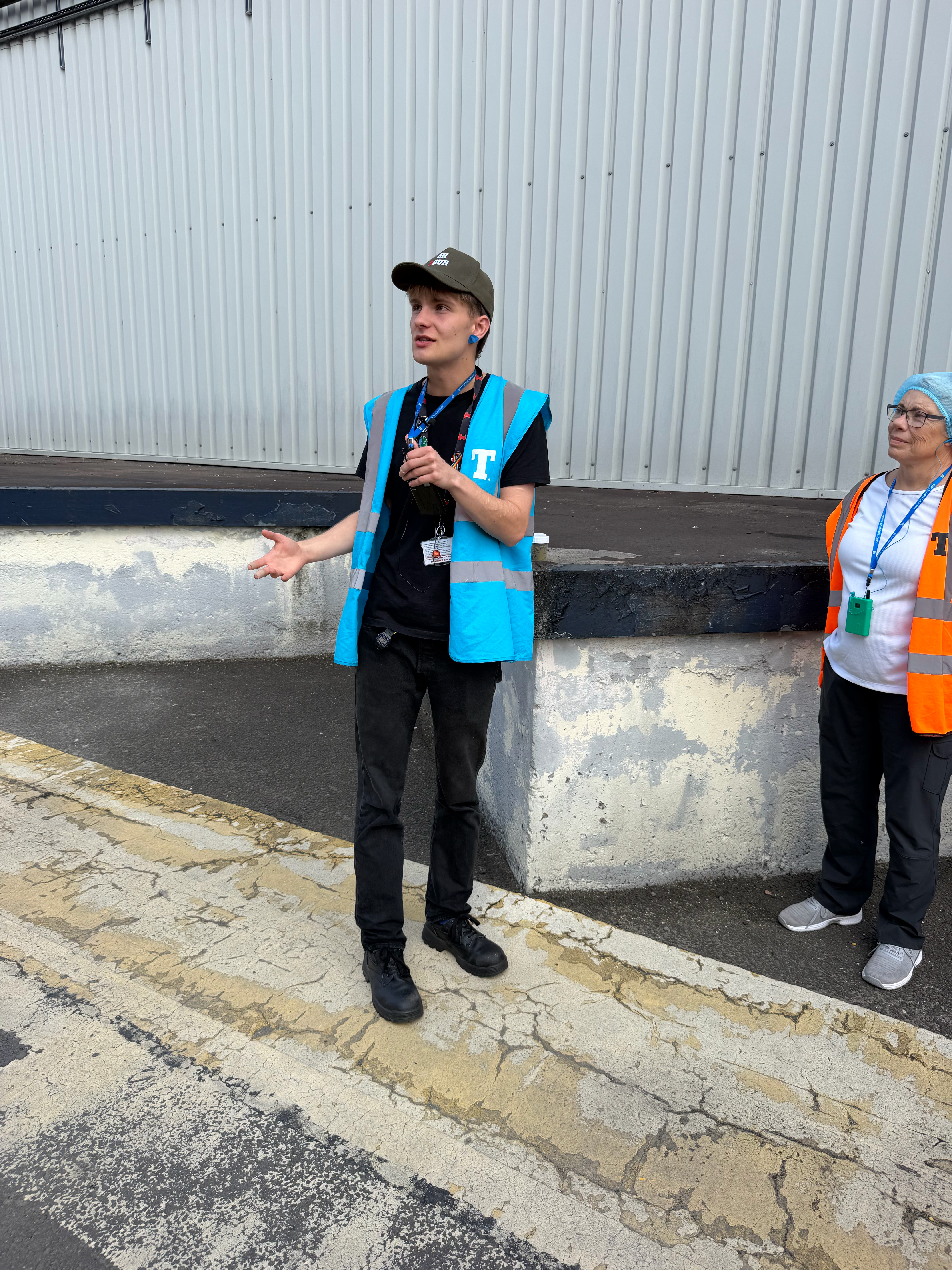
Mars was the name of our tour guide – and as he said at the end of the tour – “If you liked the tour my name is easy to remember – Mars. If you didn’t like the tour my name is John”. While I have heard similar lines on tours before – it still got us all to laugh a bit.
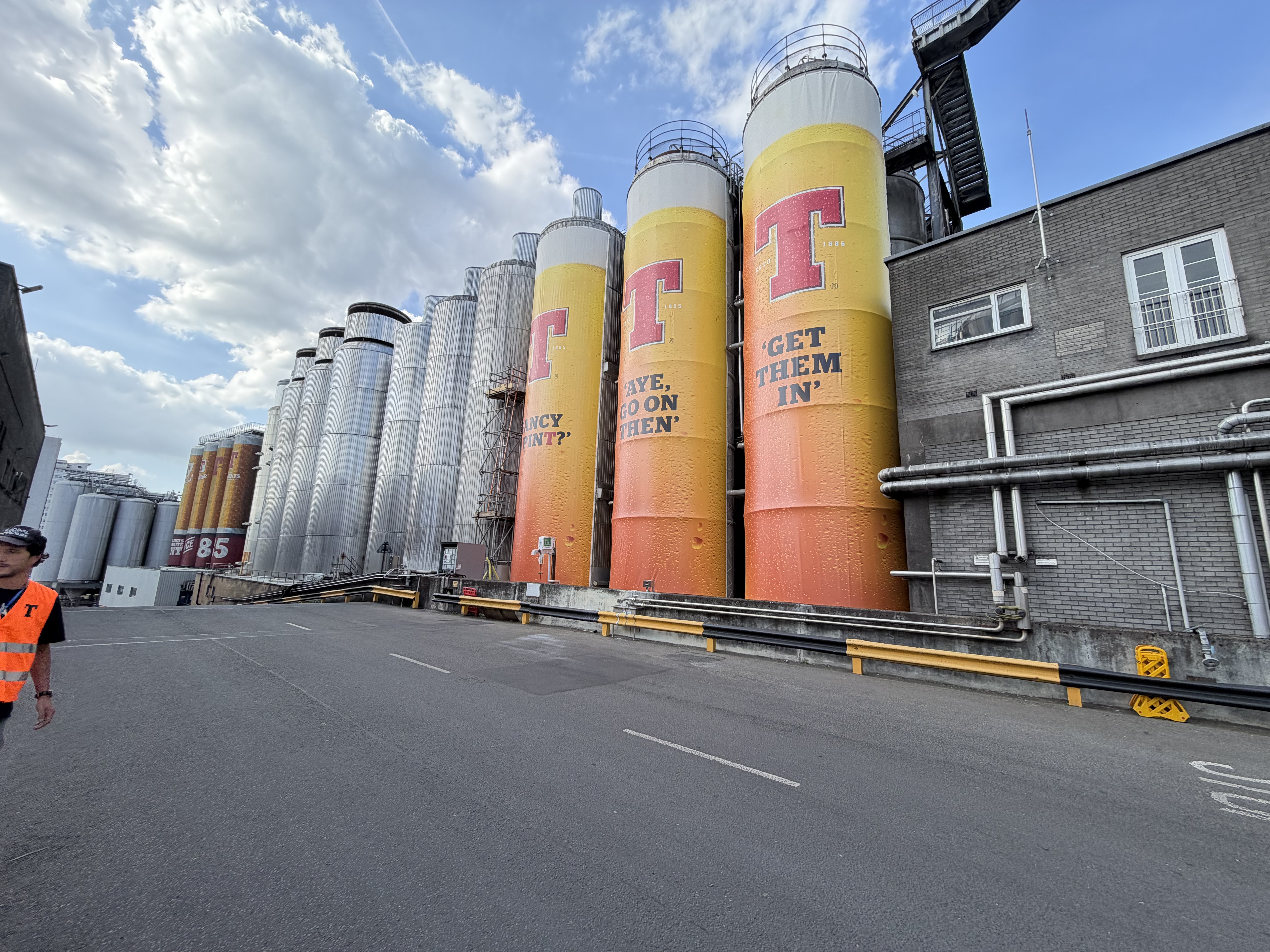
As the final step of the tour we were treated to a pint of Tennent’s famous lager – and I have to say it was quite good.
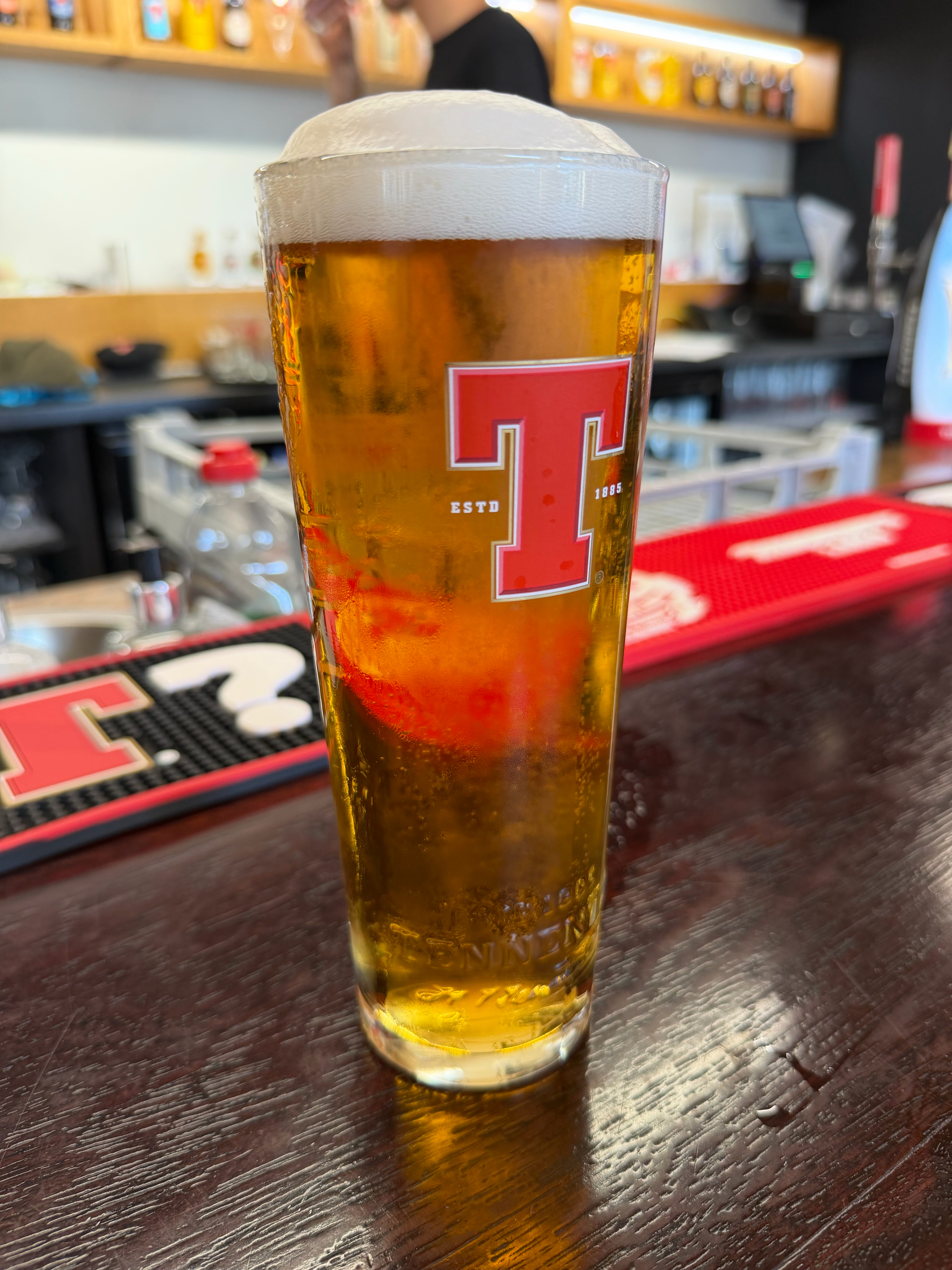
The positive news in all of this is that Tennent’s Lager is available in limited quantities in the U.S. – and I certainly hope to add a few cans to our beverage refrigerator in the future!
The overall length of the tour was about 90 minutes. If you are in Glasgow and have a chance to tour Tennent’s Brewery – you will not be disappointed.
Until next time …

 Kirk’s Travelogue