It was time to head to the “Land of Gold” and our southern-most stop on our tour of Egypt.
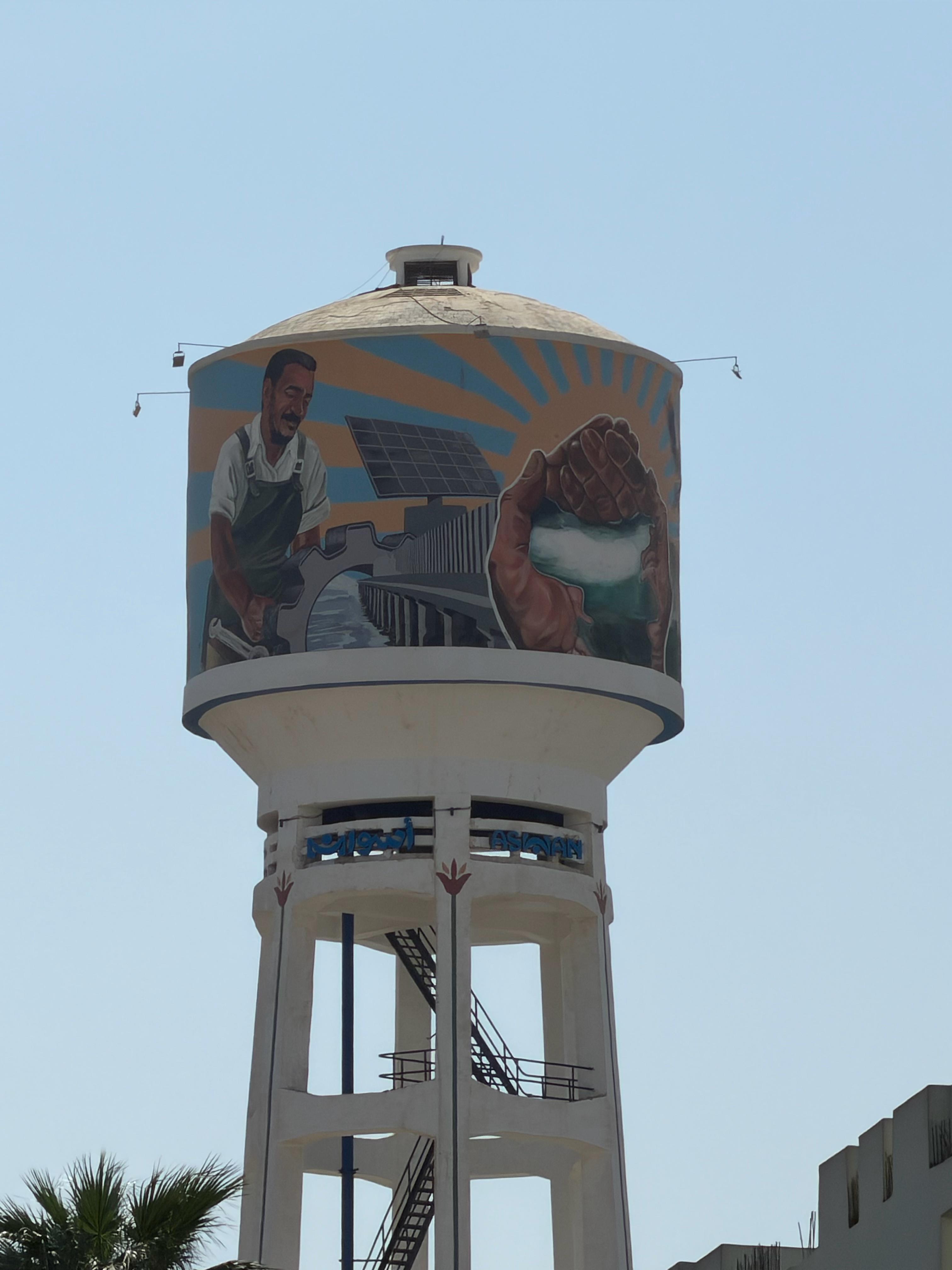
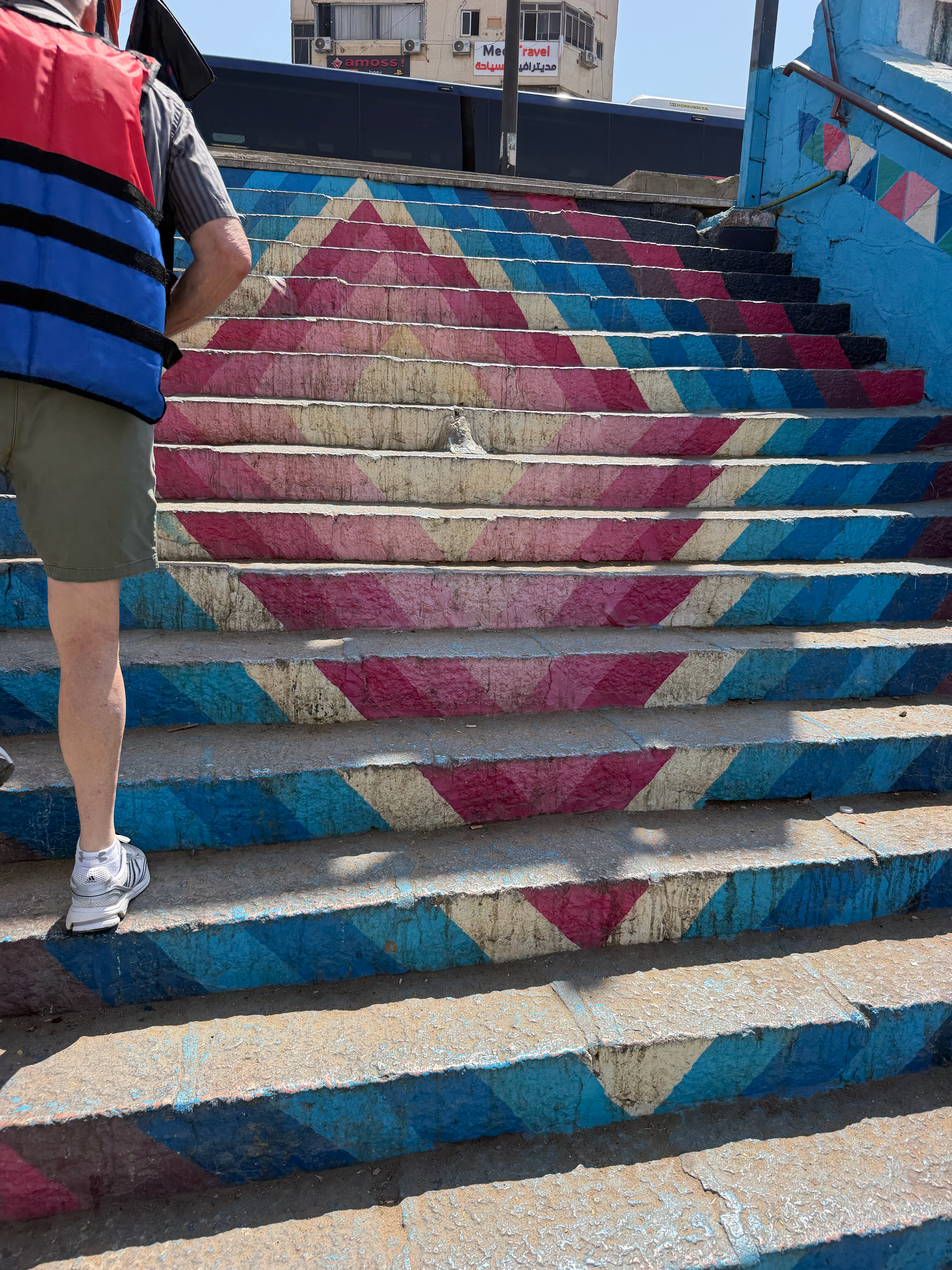
We spent the day in Aswan, Egypt which is located in what was once called Nubia – and at one point was a completely separate kingdom from Egypt. The Nubian culture was very much in evidence as we toured through town and was characterized by brightly colored murals – including water towers, steps, and many buildings.
Our itinerary for the day was really varied and included high tea at the Cataract Hotel, a feducca ride, a stop at the High Dam, and a walk through the downtown market – no temple tours today!
Noel and I are both Agatha Christie fans – and especially enjoyed the long-running BBC Series called “Poirot” that had Sir David Suchet playing the iconic Belgian detective.
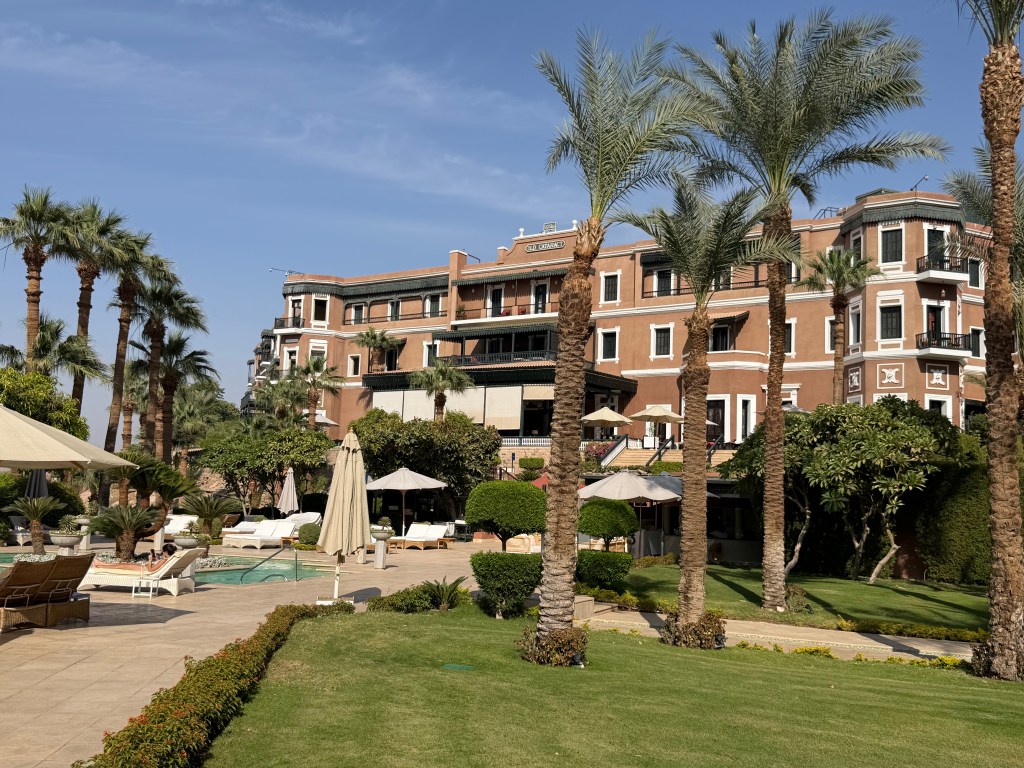
When we were booking our cruise one of the optional tours was an excursion to the Cataract Hotel. This hotel was opened in January of 1900 by Thomas Cook to encourage tourism along the Nile River.
Thomas Cook was one of the first people to commercialize group tourism in the mid-1800’s. As this industry grew there was a need for quality accommodations in places where his agency organized tours – and the construction of the Cataract Hotel was part of this initiative. This was a similar strategy used by train companies in the U.S. with the construction of historical lodges at many National Parks.
Meanwhile – back to our story.
What does Thomas Cook have to do with Agatha Christie you might ask?
The Cataract Hotel was where Agatha Christie wrote her novel “Death on the Nile” – and the typewriter she used is still on display in the hotel lobby. The hotel itself is featured prominently in the story and was used extensively in the 1978 film version of the story with Peter Ustinov in the lead as Hercule Poiret.
As Agathie Christie fans – this was a must-do on our tour of Egypt!
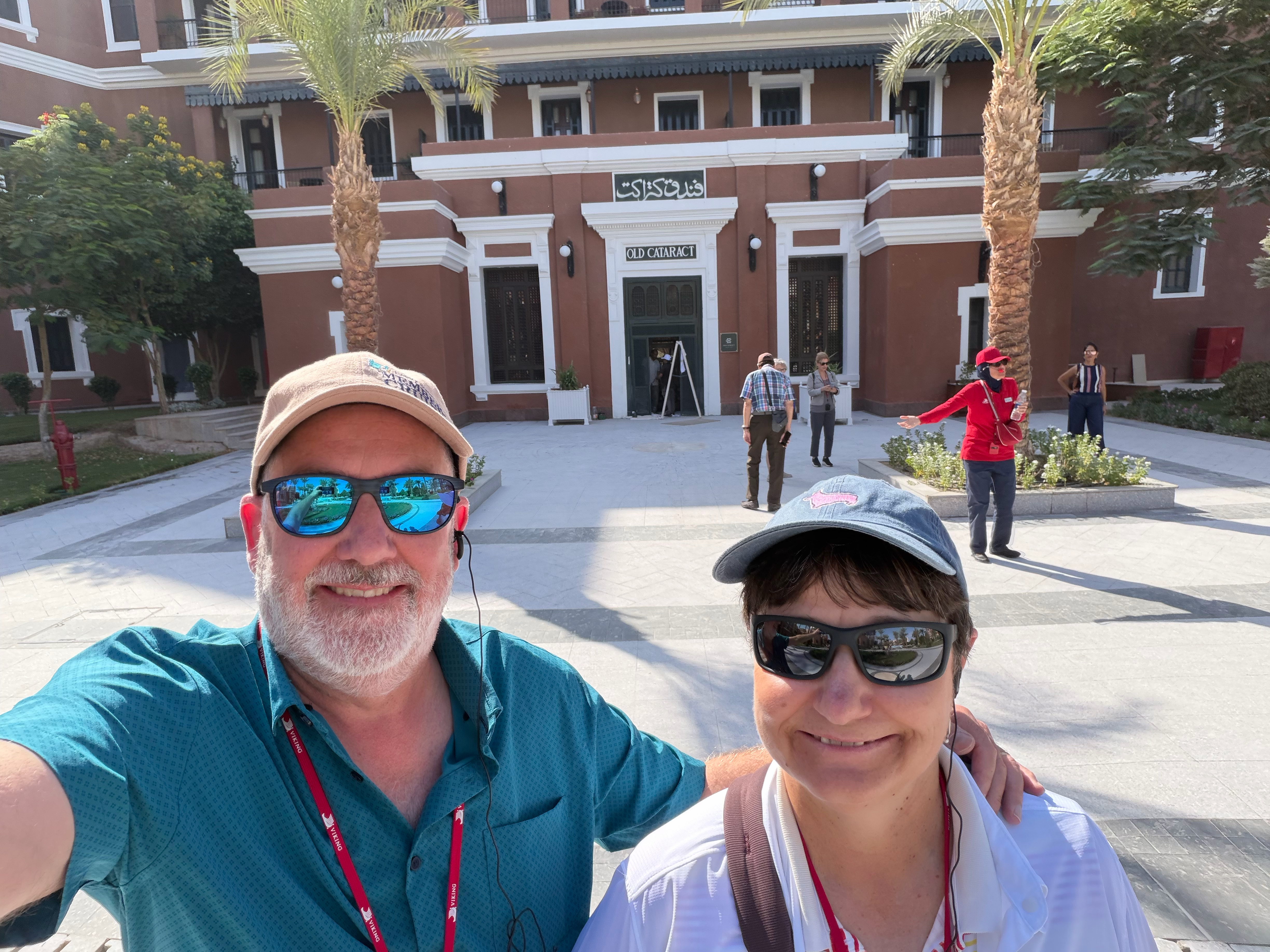
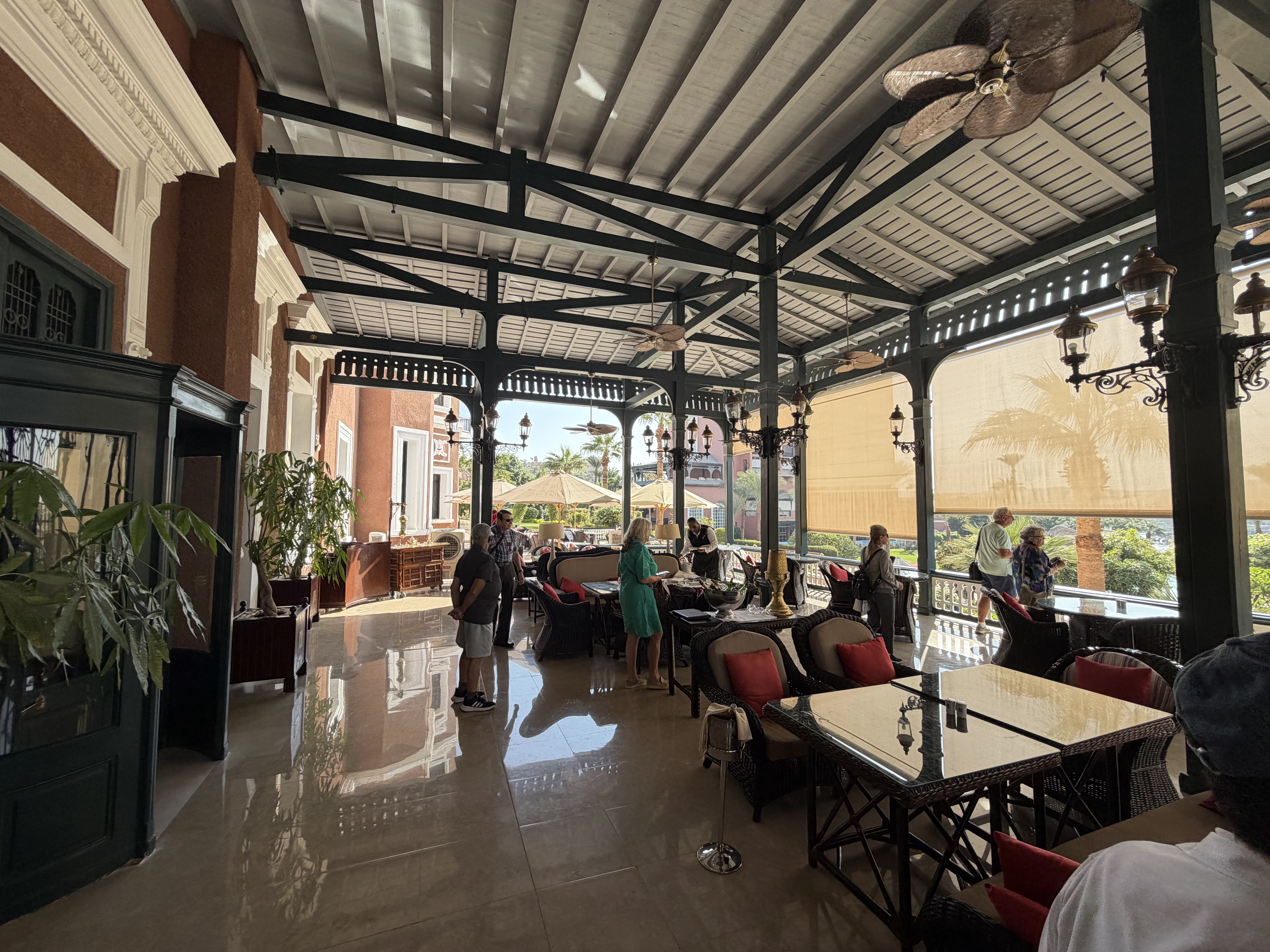
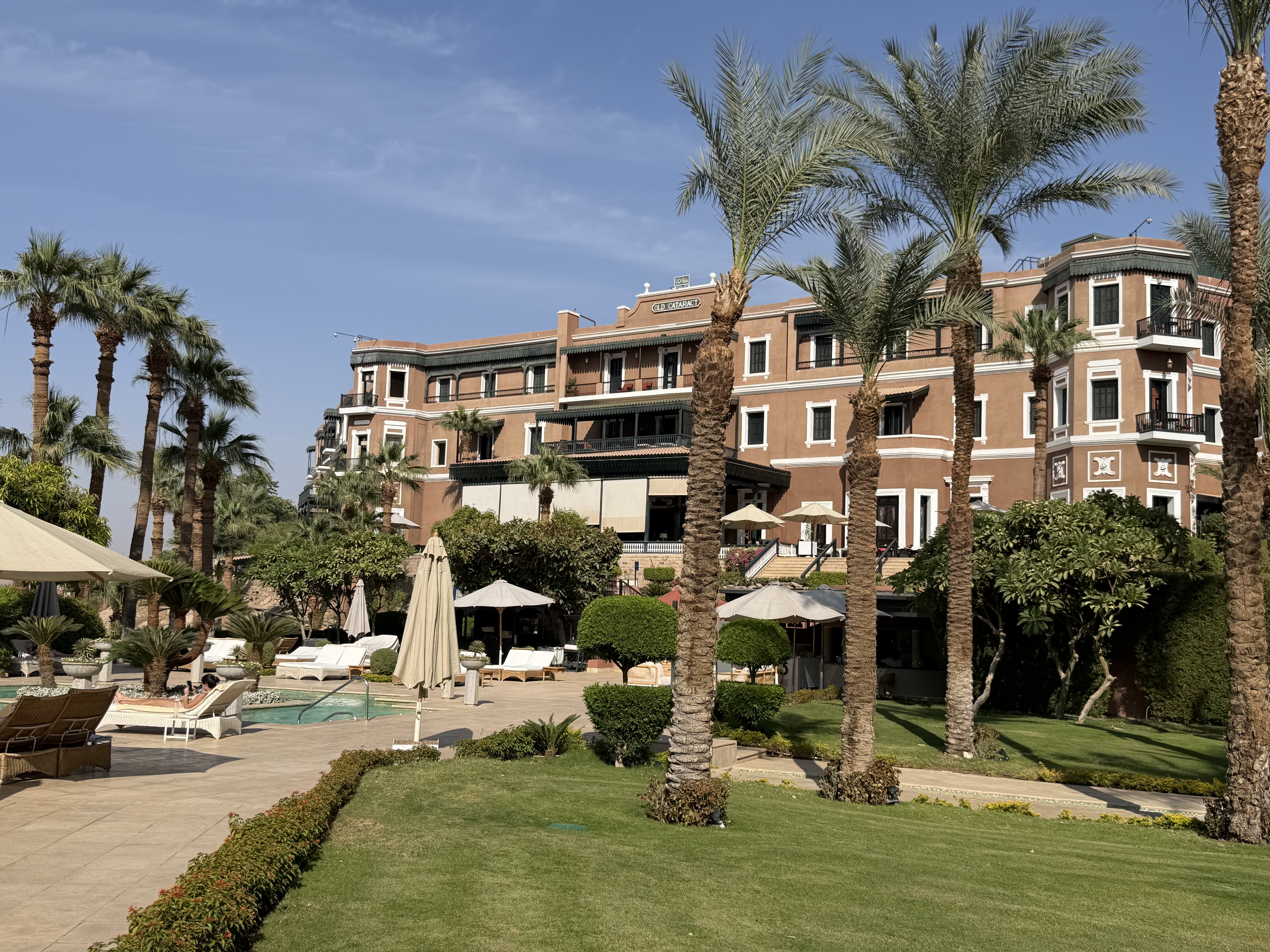
We enjoyed high tea with some fellow passengers as part of the excursion. The hotel was magnificent – and early next year (2027) will become part of the Mandarin Oriental hotel group. It was elegant and you felt that you were stepping back in time when walking through the hotel as part of our tour.
Aswan is probably best known as the location of the “High Dam” which was constructed in the 1960’s. This project was transformational for Egypt – and was made possible by a loan from the USSR because the World Bank would not loan the Egyptian Government funds to complete it.
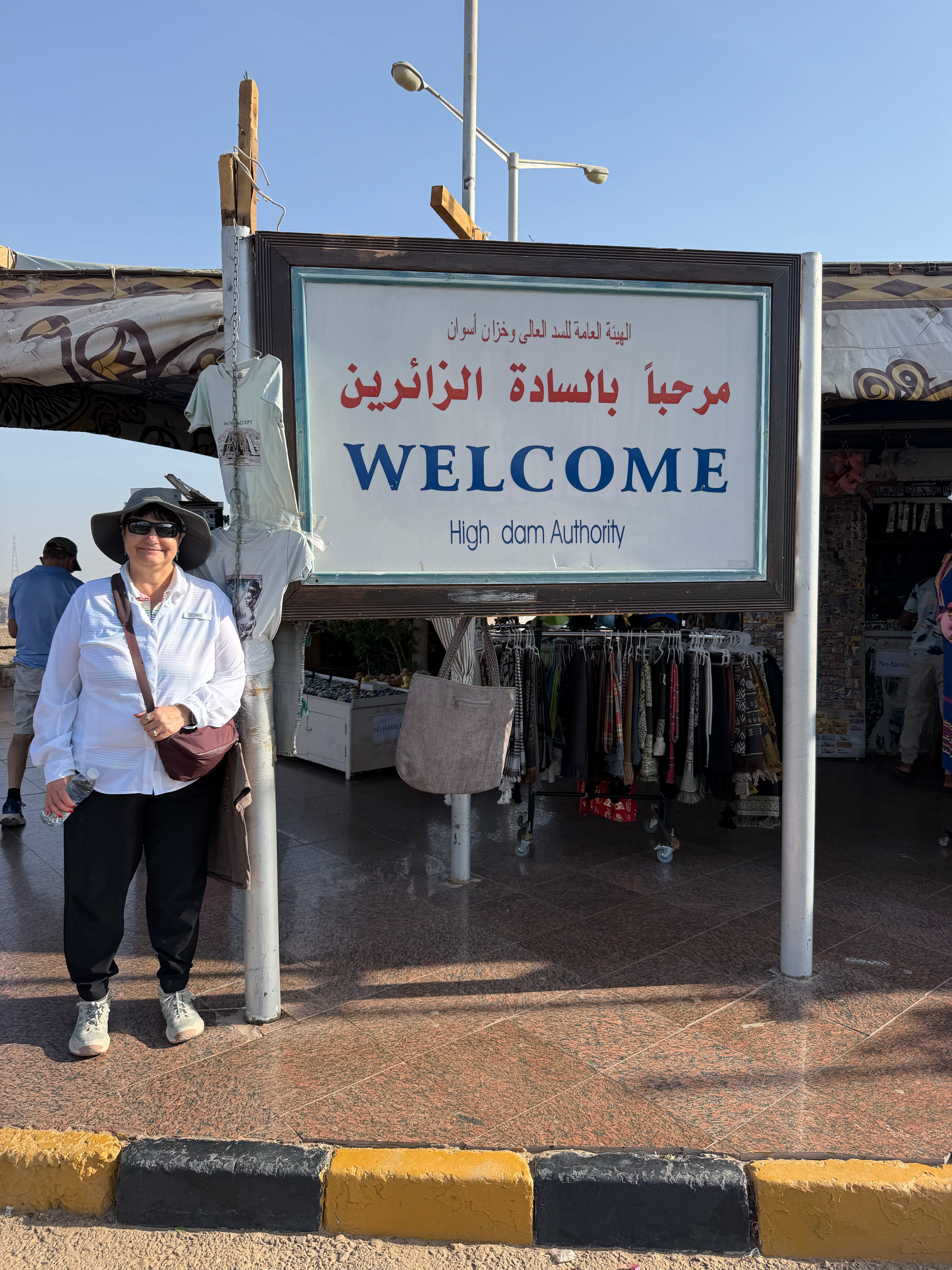
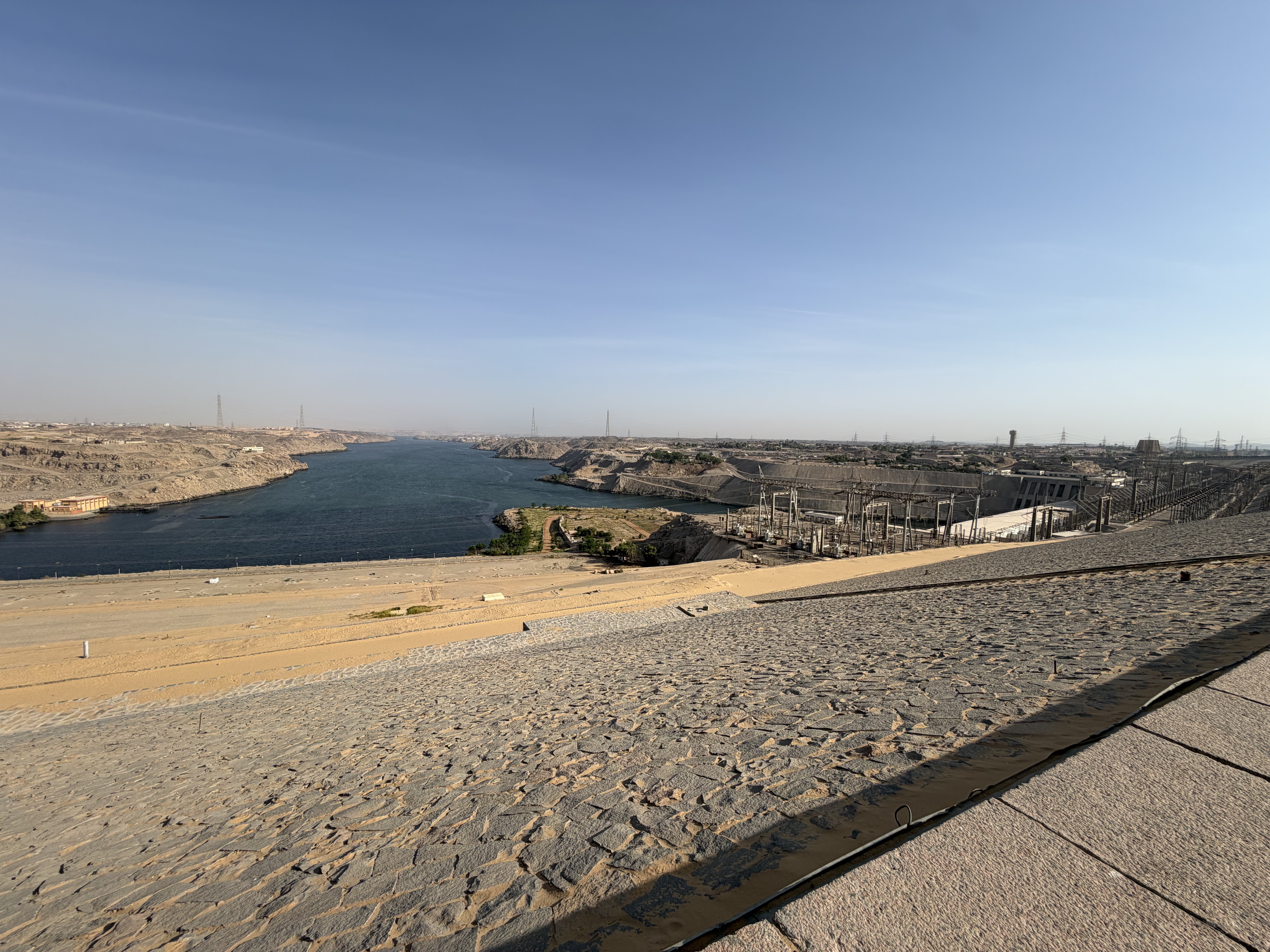
Once complete, the dam permanently flooded areas around the Nile River that contained many temples and other ancient Egyptian ruins. The potential loss of these artifacts led to a multi-national effort to disassemble many of these temples and relocate them to other places in Egypt or other areas around the world. As an example – the Temple of Dendur located in the New York Metropolitan Museum was transported from Egypt and given to the United States in acknowledgement of financial help the US gave to these artifact relocation efforts.
Noel and I smiled a bit walking on the top of the damn as we remembered the infamous “Damn Dam” tour scenes from “Vegas Vacation” with Chevy Chase.
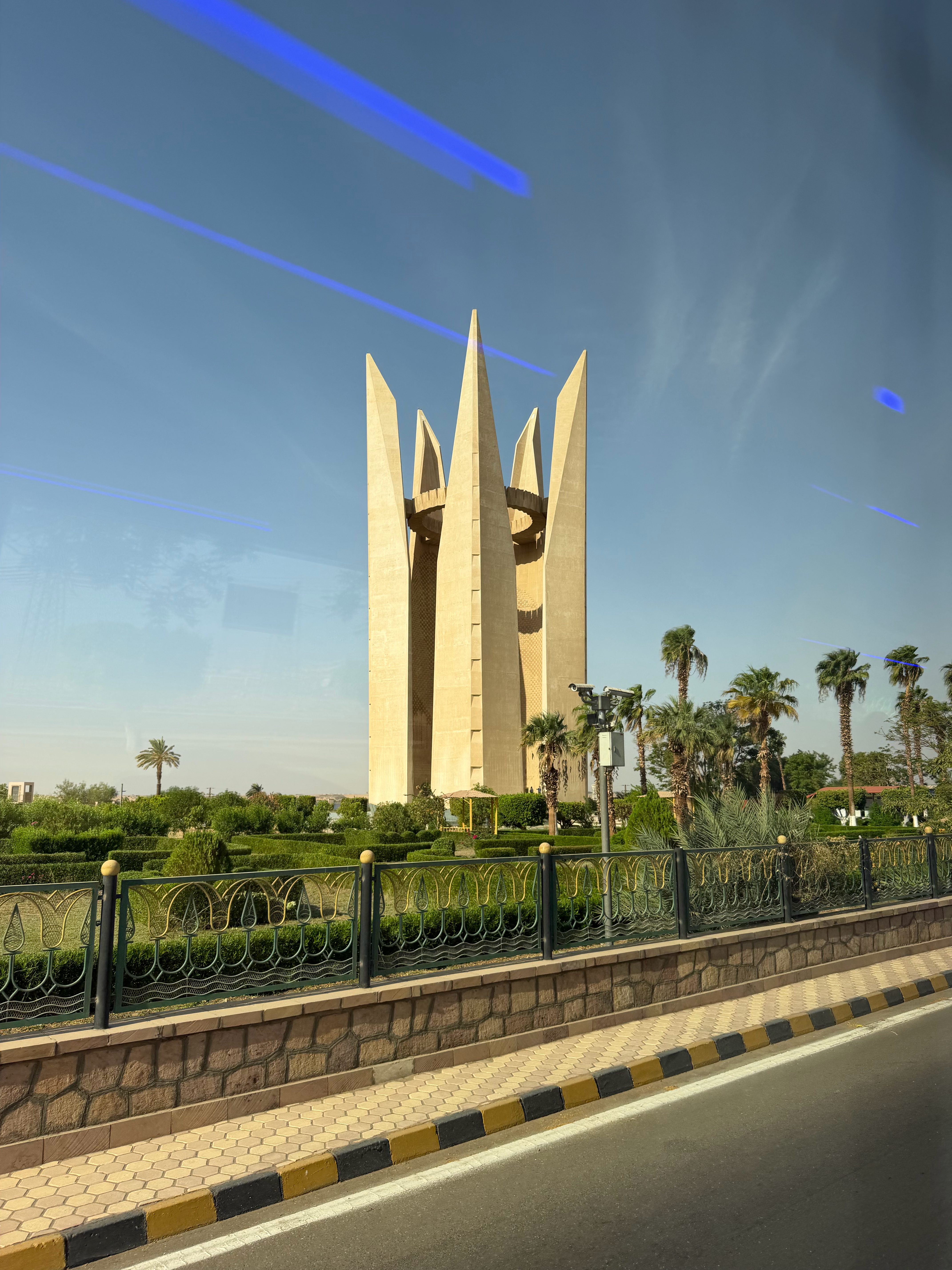
There was a large monument that celebrated the financial loan from the USSR to Egypt that was located near the High Dam. We did not have a chance to get out and see it in detail – but it was not hard to miss!
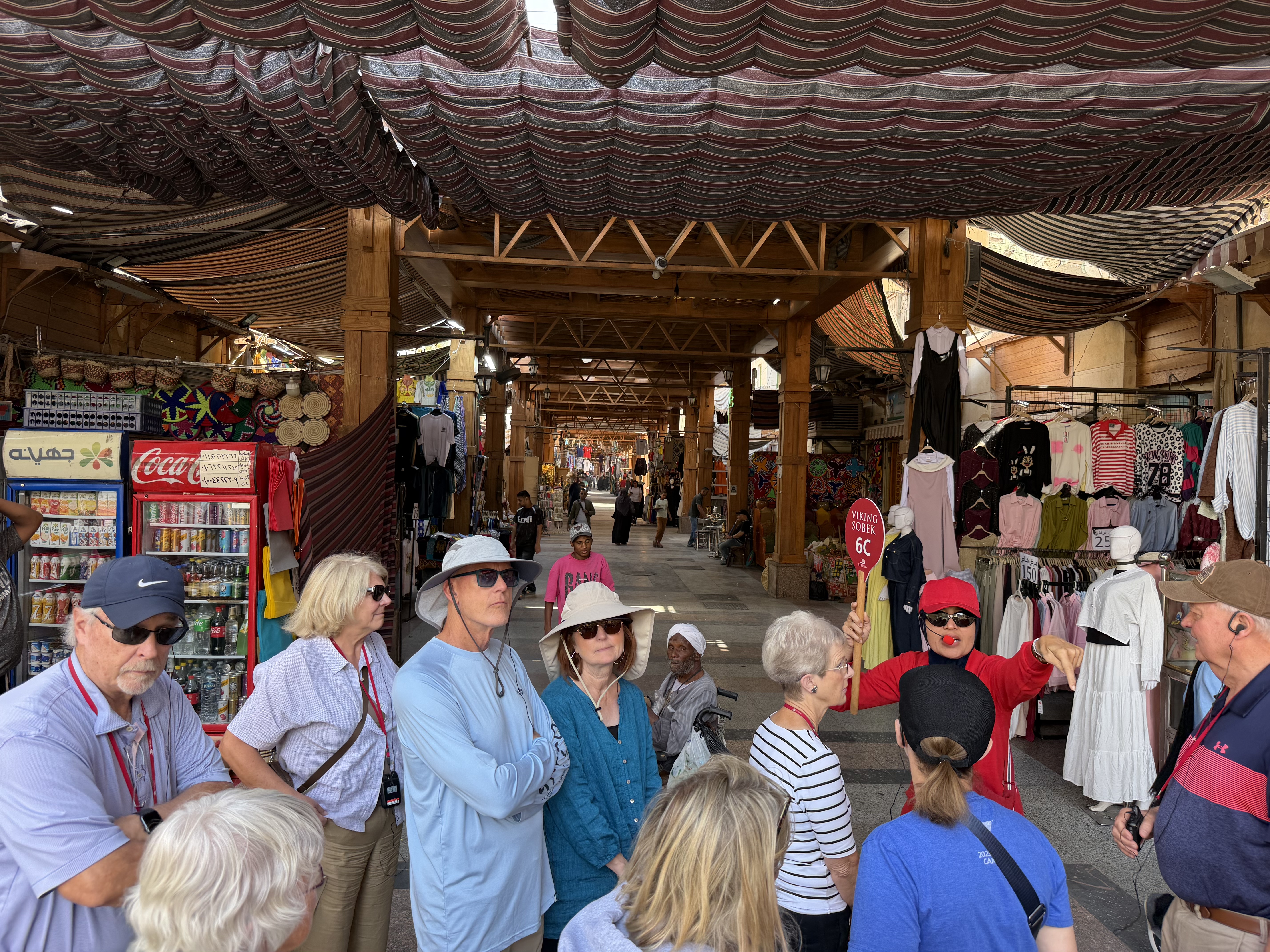
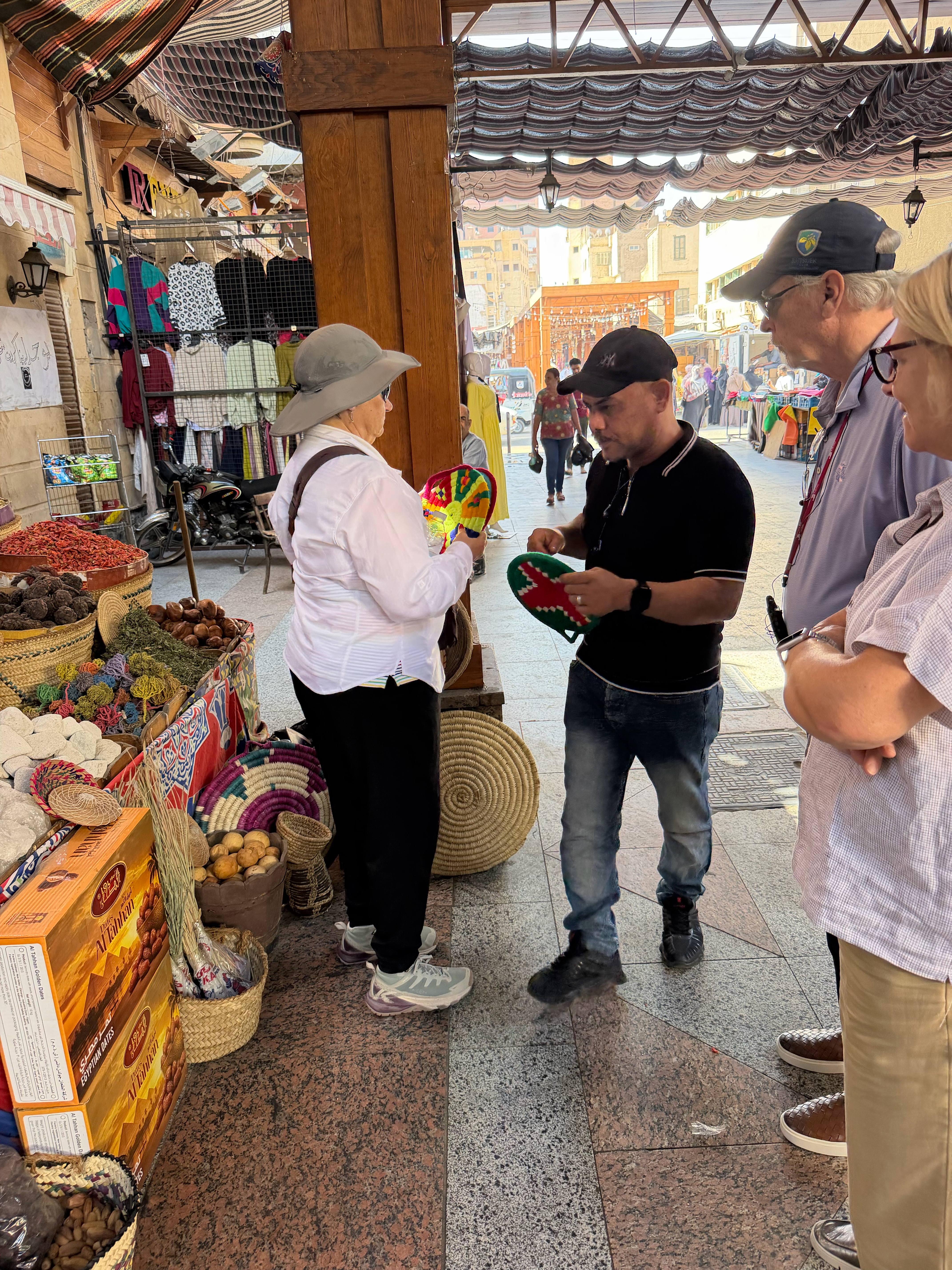
Our next stop in Aswan was a walk through the downtown market – which was a great place to get Nubian goods.
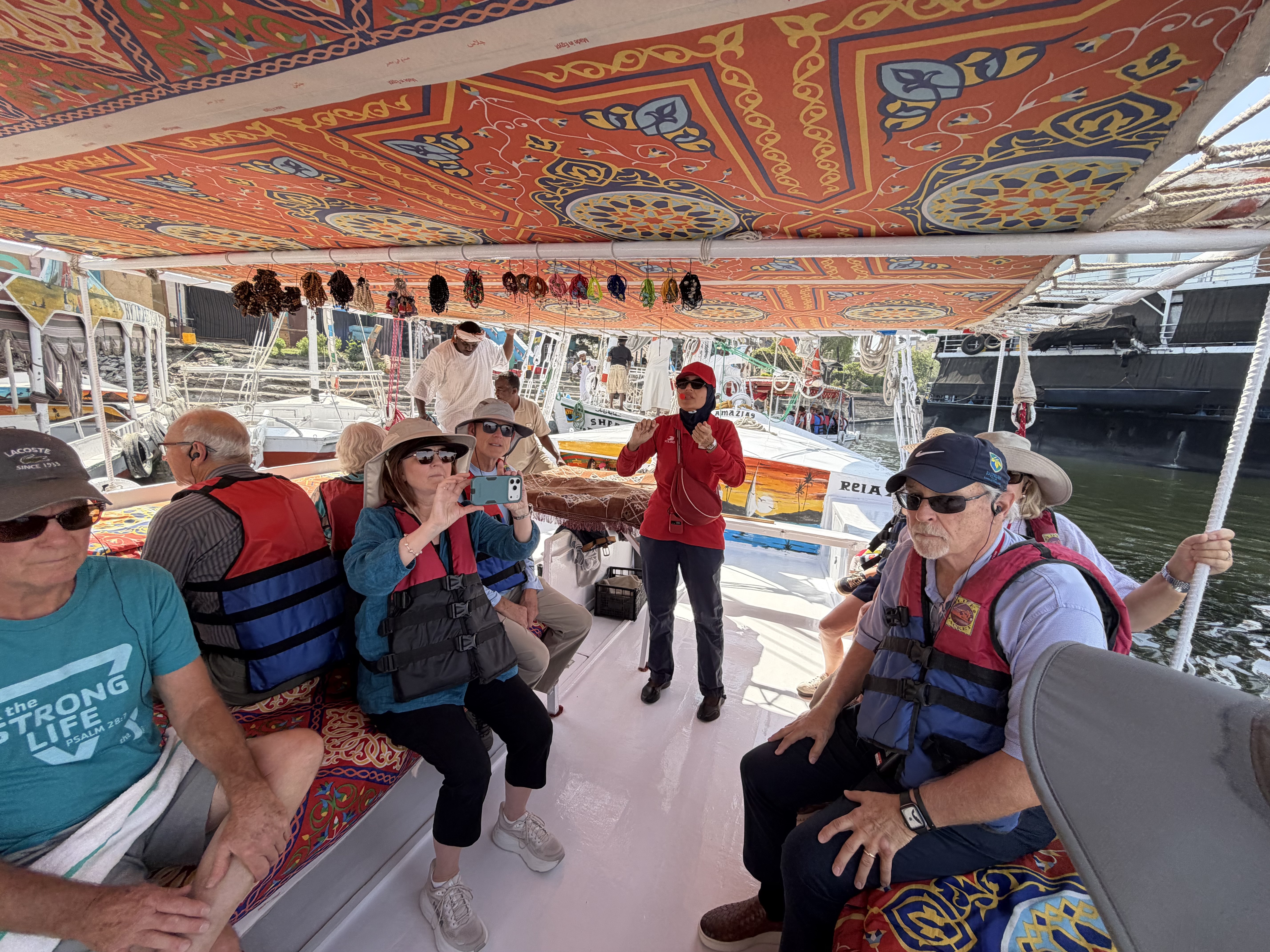
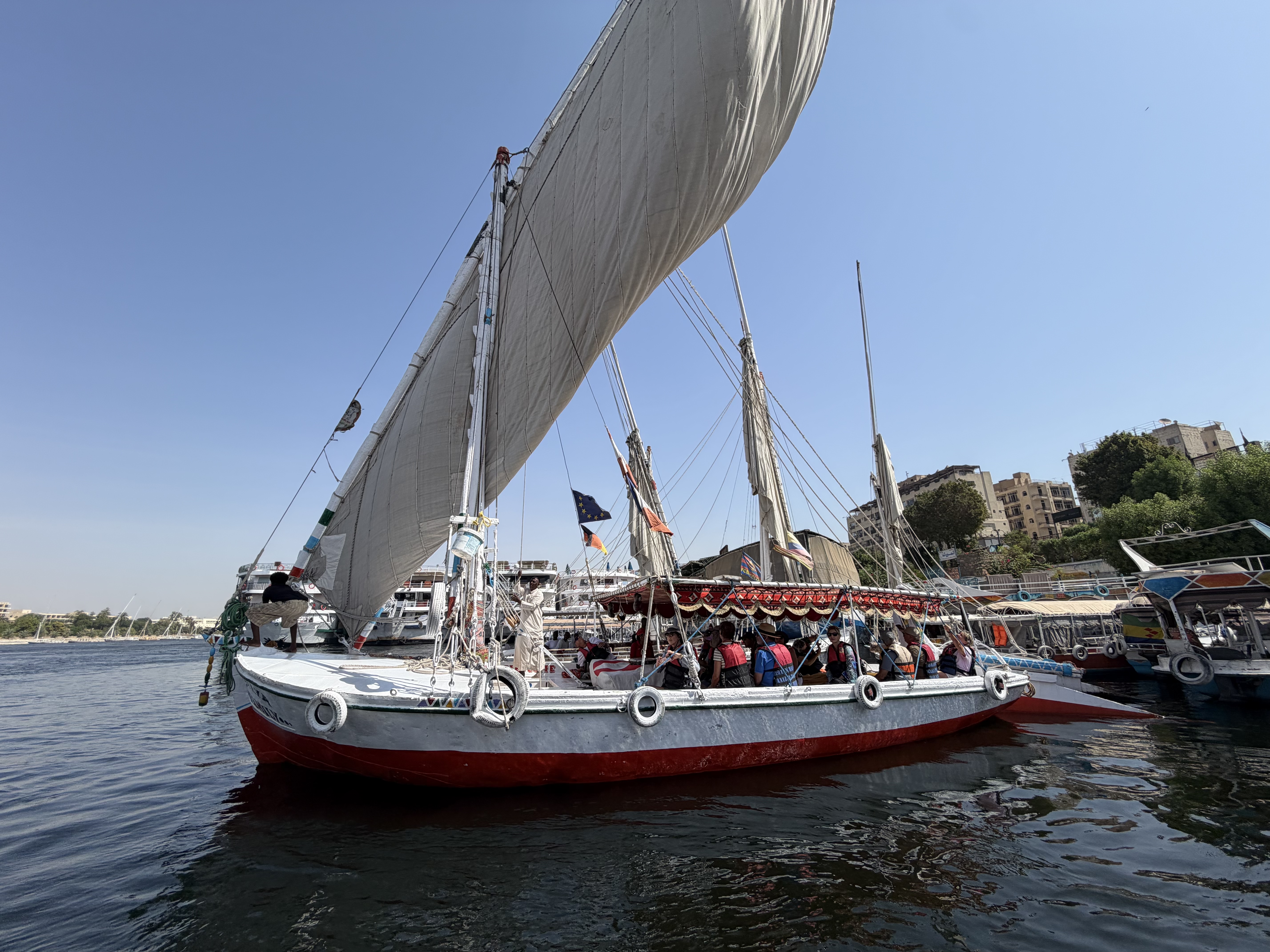
Our final part of our day was a felucca ride with other members of “Bus C” down part of the Nile. This was a much larger felucca than before that easily seated 20+ people.
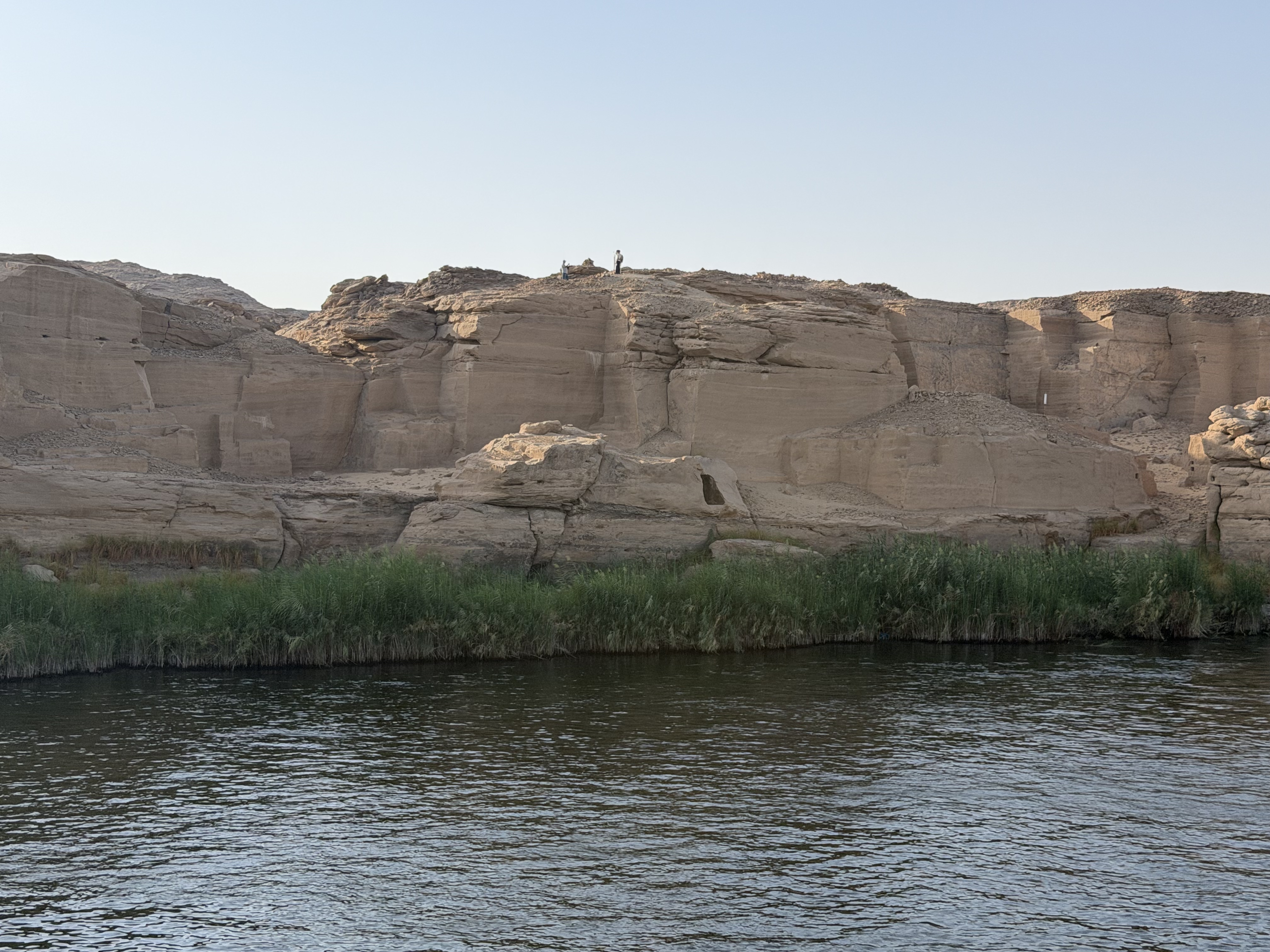
One of the other important historical aspects of the Aswan area is that it was the source of most of the hard stones that were used for monuments in the temples located further north. As we cruised on the Nile – you could see historical evidence of quarries all in close proximity to the river and Aswan as a city.
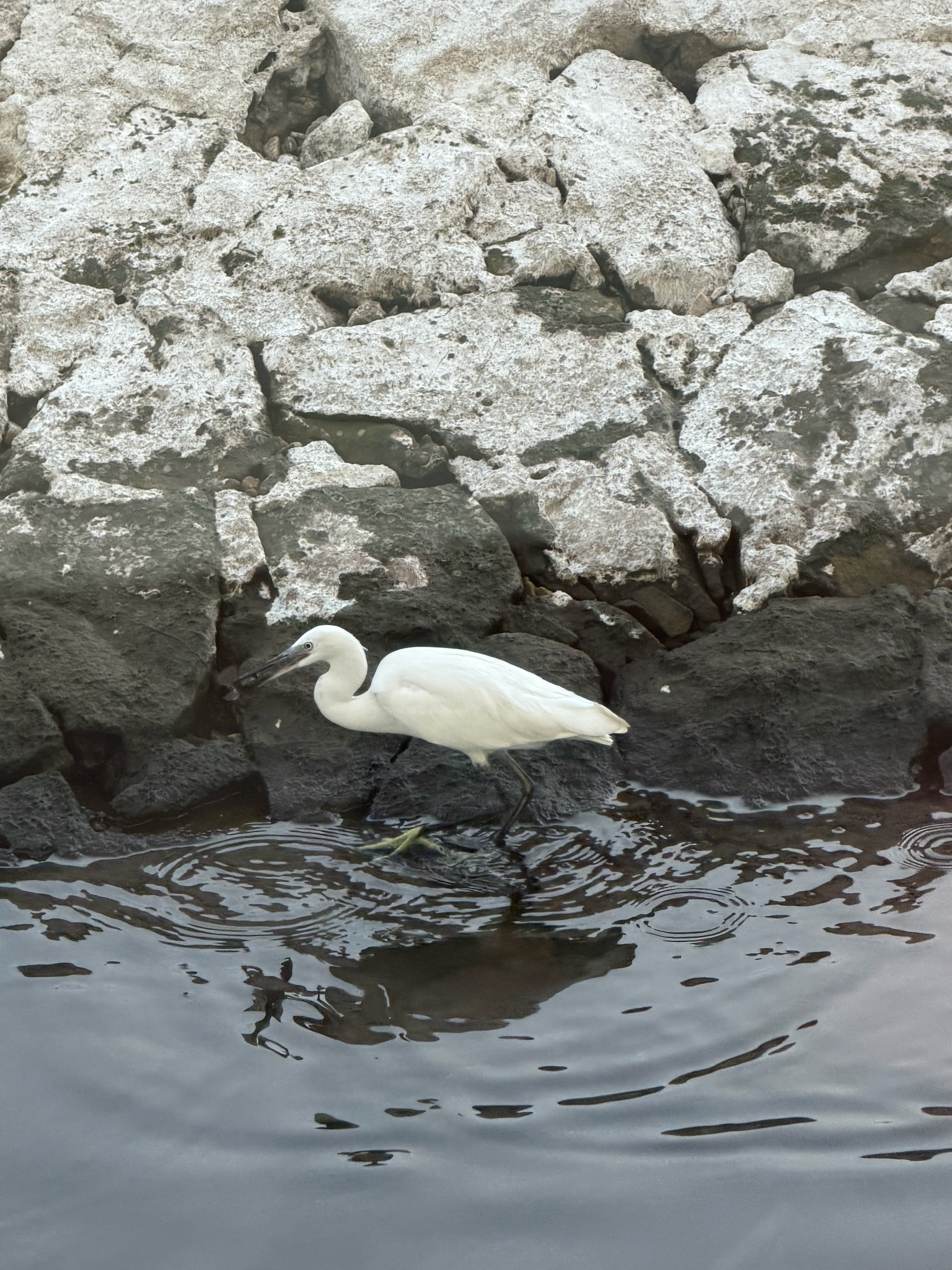
Finally, I added another bird to my life list – a “Little Egret” – this one was #100!
Until next time …


